
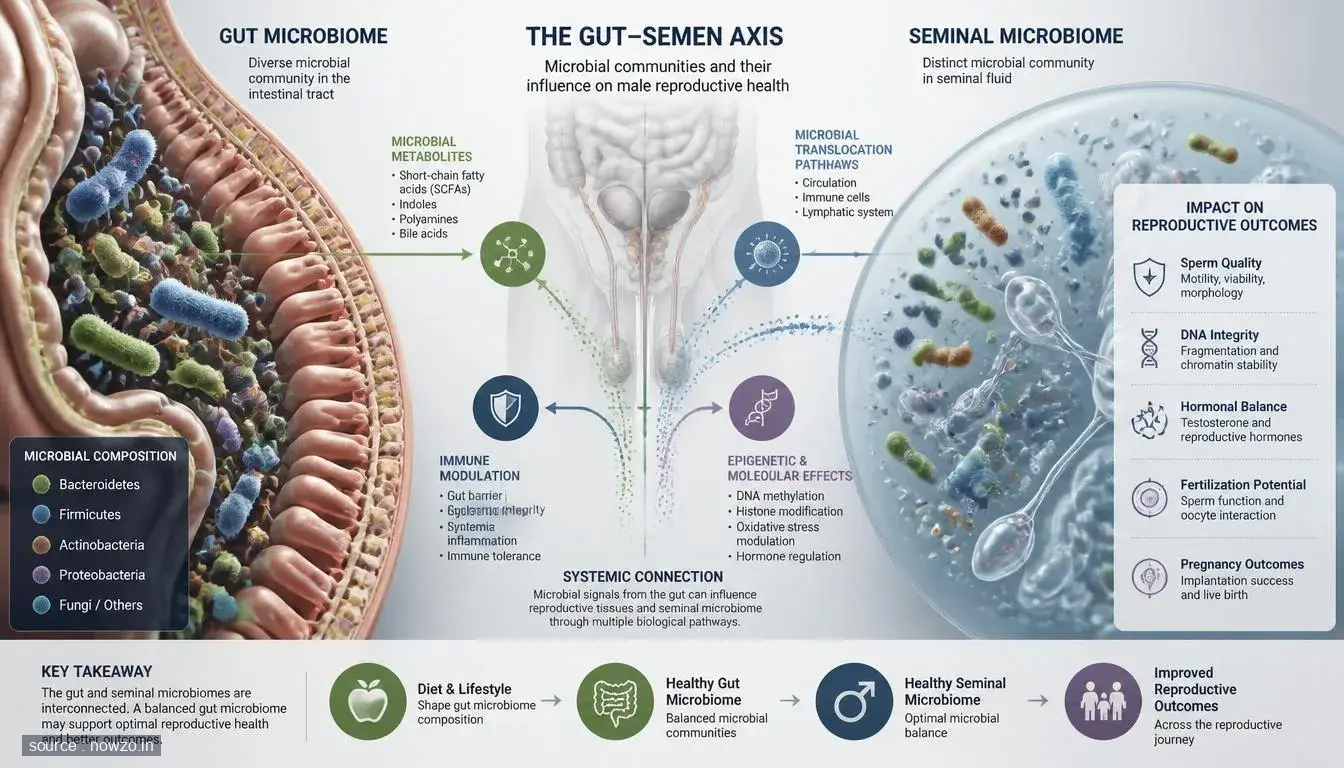
Emerging scientific research suggests that the gut and seminal microbiomes may play a significant role in influencing reproductive outcomes, potentially opening new avenues for understanding fertility and reproductive health.
The Role of Microbiomes in Reproductive Health
The human body hosts trillions of microorganisms, collectively known as the microbiome, which are increasingly recognized for their influence on various aspects of health. Recent attention has turned toward how these microbial communities — particularly those in the gut and seminal fluid — may impact reproductive processes.
Researchers are investigating the complex interactions between microbial populations and reproductive function, seeking to understand whether imbalances or specific compositions in these microbiomes could affect fertility outcomes.
Implications for Future Research
The potential connection between microbiomes and reproductive outcomes represents a growing area of scientific inquiry. If confirmed through further studies, these findings could have meaningful implications for how reproductive health challenges are diagnosed and addressed.
As research in this field continues to evolve, scientists emphasize the importance of comprehensive investigation to better understand the mechanisms through which gut and seminal microbiomes may influence reproduction.
Conclusion
The exploration of gut and seminal microbiomes in the context of reproductive outcomes underscores the expanding understanding of how microbial health intersects with human fertility. Continued research will be essential in determining the clinical significance of these emerging findings.






Comments