
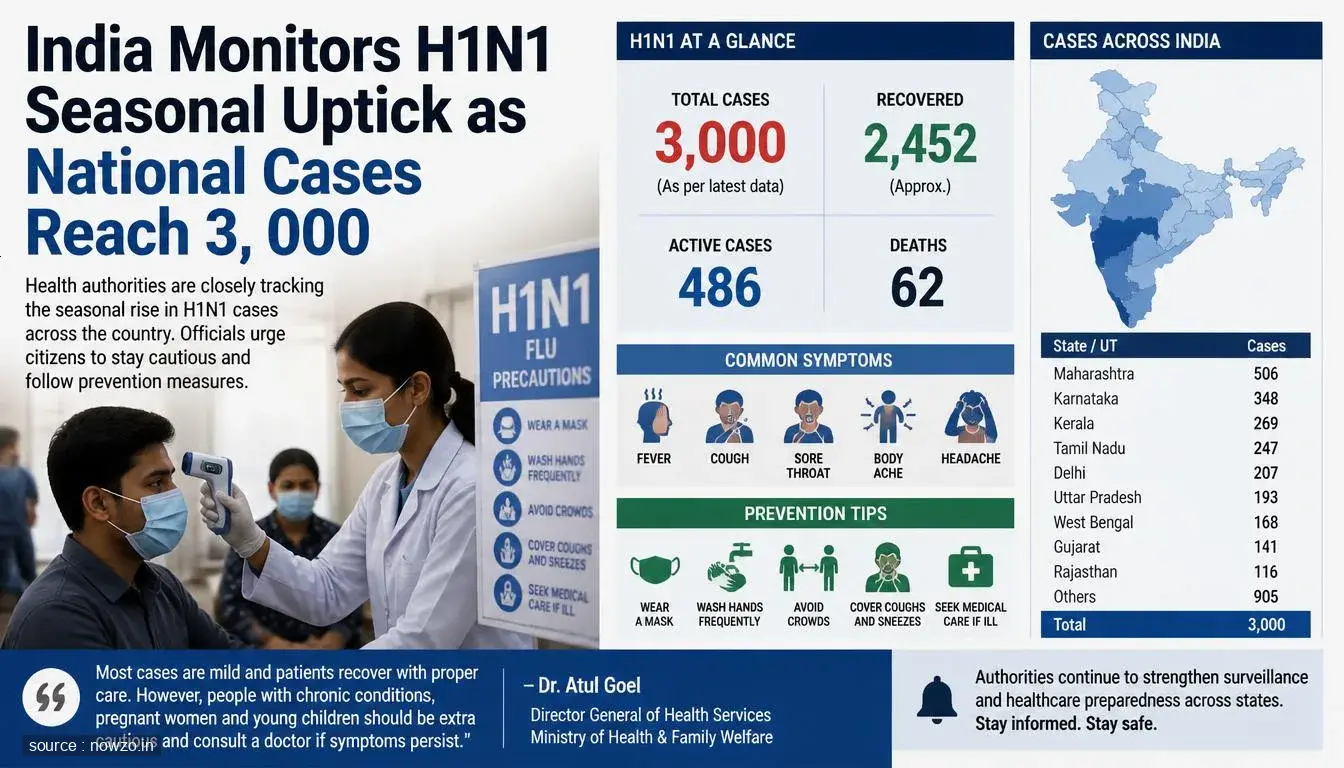
Hospitals across India are buckling under a sudden wave of H1N1 influenza cases, forcing health authorities to dust off protocols last seen during the height of the Covid-19 pandemic. The situation feels eerily familiar: overstretched wards, heightened vigilance, and a public health system scrambling to respond.
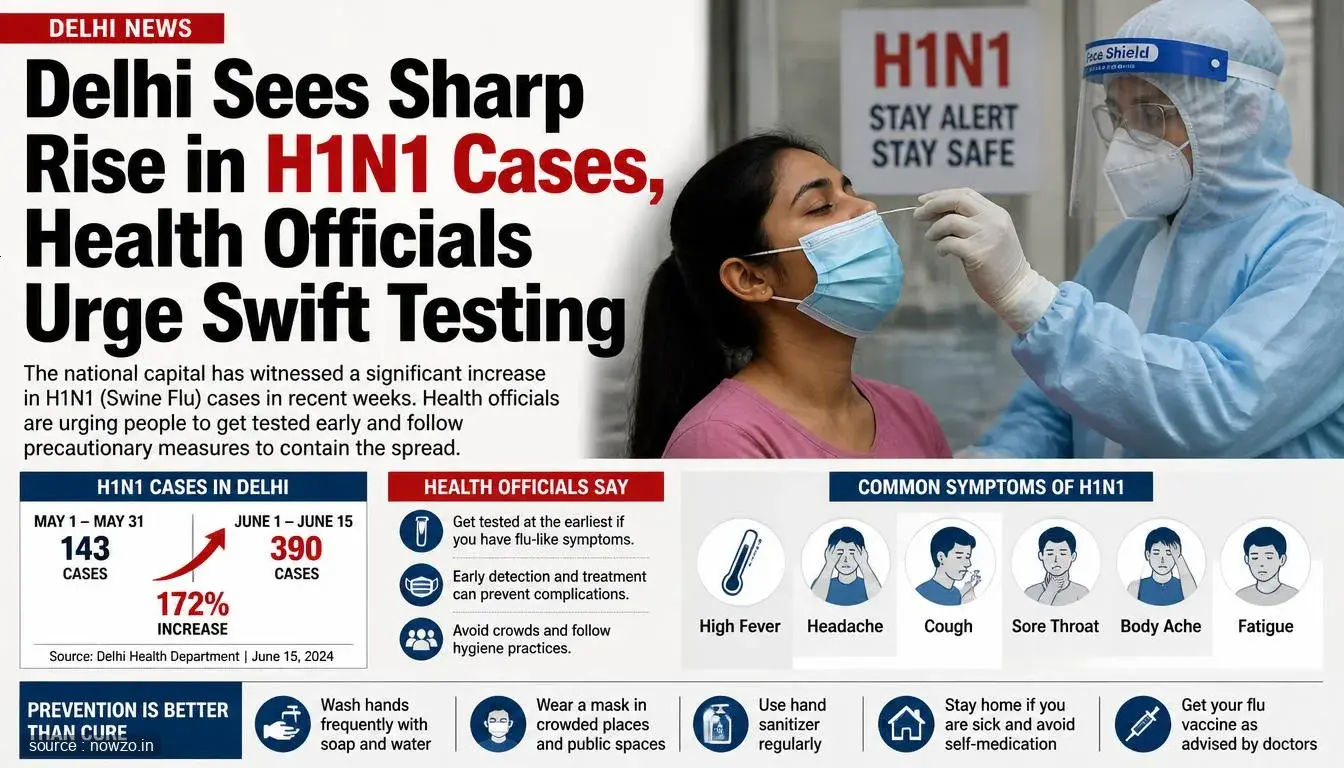
- H1N1 cases rising sharply in multiple regions including Delhi
- Haryana orders 100% flu testing to manage the surge
- No new strain detected, according to health authorities
- Experts recommend avoiding crowded places as precaution
A System Under Strain
You can feel the tension in medical corridors. Beds are filling up, resources are stretching thin, and healthcare workers are bracing for what might come next. It’s not Covid, but the response is starting to look similar—targeted measures, increased testing, and public advisories rolling out fast.
Official Reassurance
Despite the alarming headlines, health officials are striking a careful balance between urgency and calm. The Indian Council of Medical Research (ICMR) has confirmed that this is not a new viral strain, and former WHO Chief Scientist Dr. Soumya Swaminathan echoed that there is “no cause for panic.” Still, the word “precaution” is being used a lot.
Lessons from the Past
India learned hard lessons during the pandemic—lessons that are now being applied. Haryana’s move to test all flu cases shows how surveillance has evolved. People are being asked to mask up in crowds, keep distance, and stay home if symptomatic. It’s not a lockdown, but it’s a alert—a signal that vigilance matters.
For now, the message is clear: be careful, but don’t fear. This is a flare-up, not a new fire. And India’s health system, tested like never before, is responding with measured force.



Comments