
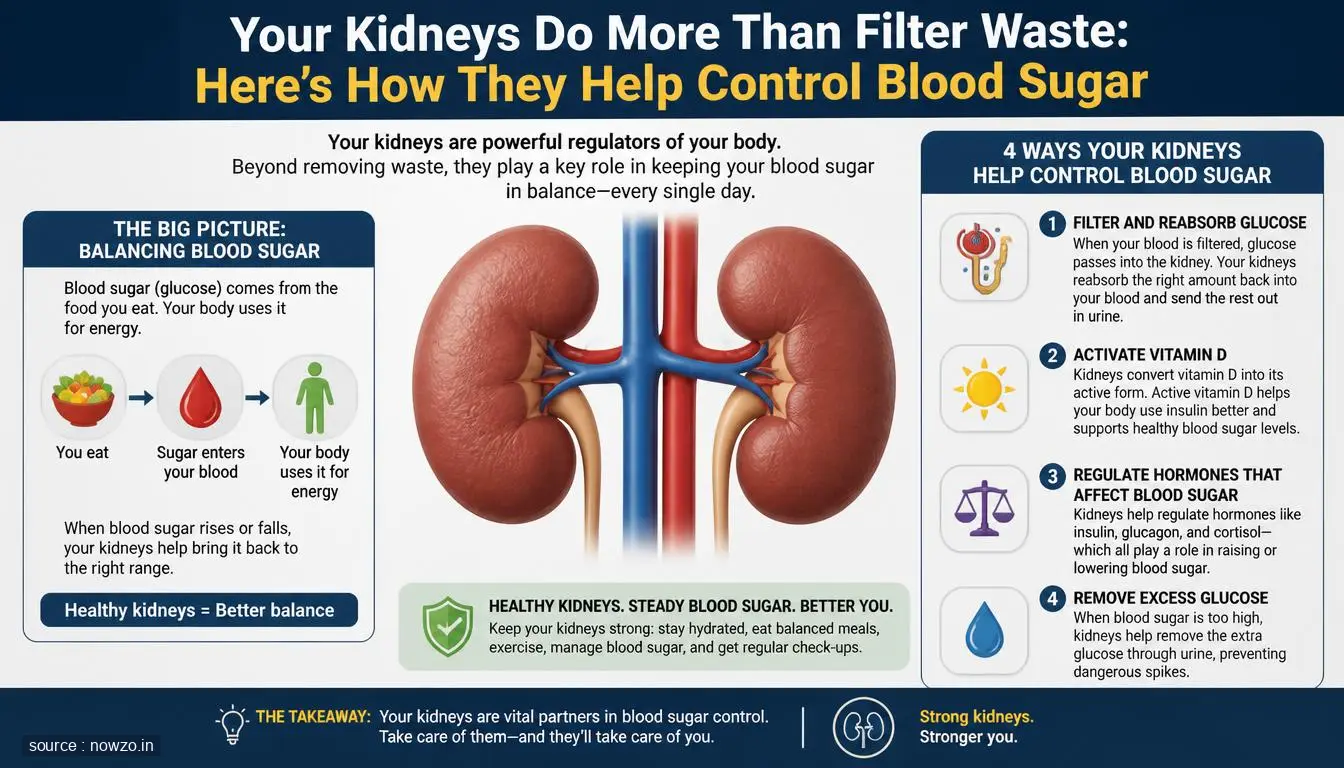
When most people think about the kidneys, the first thing that comes to mind is waste removal. While filtering toxins and excess fluids from the blood is certainly one of their primary jobs, these bean-shaped organs have a far broader role in keeping the body healthy. Among their lesser-known responsibilities is a meaningful contribution to blood sugar regulation — a function that deserves more attention, especially as diabetes and blood sugar disorders continue to affect millions of people worldwide.
Understanding how the kidneys interact with glucose can offer valuable insight into how the body maintains balance, and why protecting kidney health matters for far more than just avoiding kidney disease.
The Kidneys and Glucose: An Overlooked Connection
The kidneys are deeply involved in how the body handles glucose on a daily basis. After food is consumed and broken down, glucose enters the bloodstream and circulates throughout the body. The kidneys filter this blood continuously, and part of their job involves managing how much glucose is reabsorbed back into the body and how much is excreted.
Under normal circumstances, the kidneys reabsorb nearly all of the glucose that passes through them, returning it to the bloodstream so the body can use it for energy. This reabsorption process is a critical part of maintaining stable blood sugar levels. When this system works properly, it helps prevent both dangerous spikes and drops in glucose.
However, when kidney function is compromised — whether due to disease, damage, or other health conditions — this delicate balance can be disrupted. The relationship between kidney health and blood sugar control is therefore a two-way street: poor kidney function can affect glucose regulation, and chronically elevated blood sugar can, in turn, damage the kidneys over time.
Why This Matters for People With Diabetes
For individuals living with diabetes, the connection between the kidneys and blood sugar takes on even greater significance. Diabetes is one of the leading causes of kidney disease globally, and the damage often develops silently over many years before symptoms become apparent.
Persistently high blood sugar levels can strain the kidneys' filtering system, gradually impairing their ability to function effectively. As kidney function declines, the body's ability to manage glucose can also be affected, creating a cycle that can be difficult to break without proper medical intervention and lifestyle management.
This is why healthcare providers routinely monitor kidney function in people with diabetes, and why early detection of any kidney-related changes is considered so important. Regular screening can help identify problems before they progress to more serious stages.
Supporting Kidney Health for Better Blood Sugar Control
Given the kidneys' role in glucose regulation, taking steps to protect these organs is a sensible part of any broader approach to metabolic health. While individual medical advice should always come from a qualified healthcare professional, general awareness of kidney health is valuable for everyone — not just those with existing conditions.
Staying hydrated, managing blood pressure, maintaining a balanced diet, and keeping blood sugar within a healthy range are all widely recognized as supportive of kidney function. For those with diabetes or prediabetes, working closely with a healthcare team to monitor both blood sugar and kidney markers is an essential part of long-term health management.
It is also worth noting that certain medications used to manage blood sugar work specifically through the kidneys, highlighting just how interconnected these systems are. This further underscores the importance of kidney health in the broader picture of metabolic care.
The Bigger Picture
The kidneys are remarkable organs that quietly perform a wide range of functions essential to survival and wellbeing. Their role in blood sugar regulation is just one example of how much more they do beyond their reputation as simple waste filters.
As awareness grows around the interconnected nature of the body's systems, it becomes increasingly clear that protecting one organ often means supporting many others. Kidney health and blood sugar control are closely linked, and paying attention to both can contribute meaningfully to long-term health outcomes.
Whether you are managing an existing condition or simply looking to better understand your body, recognizing the kidneys' role in glucose regulation is a worthwhile step. These organs work around the clock to keep the body in balance — and they deserve recognition for the full scope of what they do.






Comments