
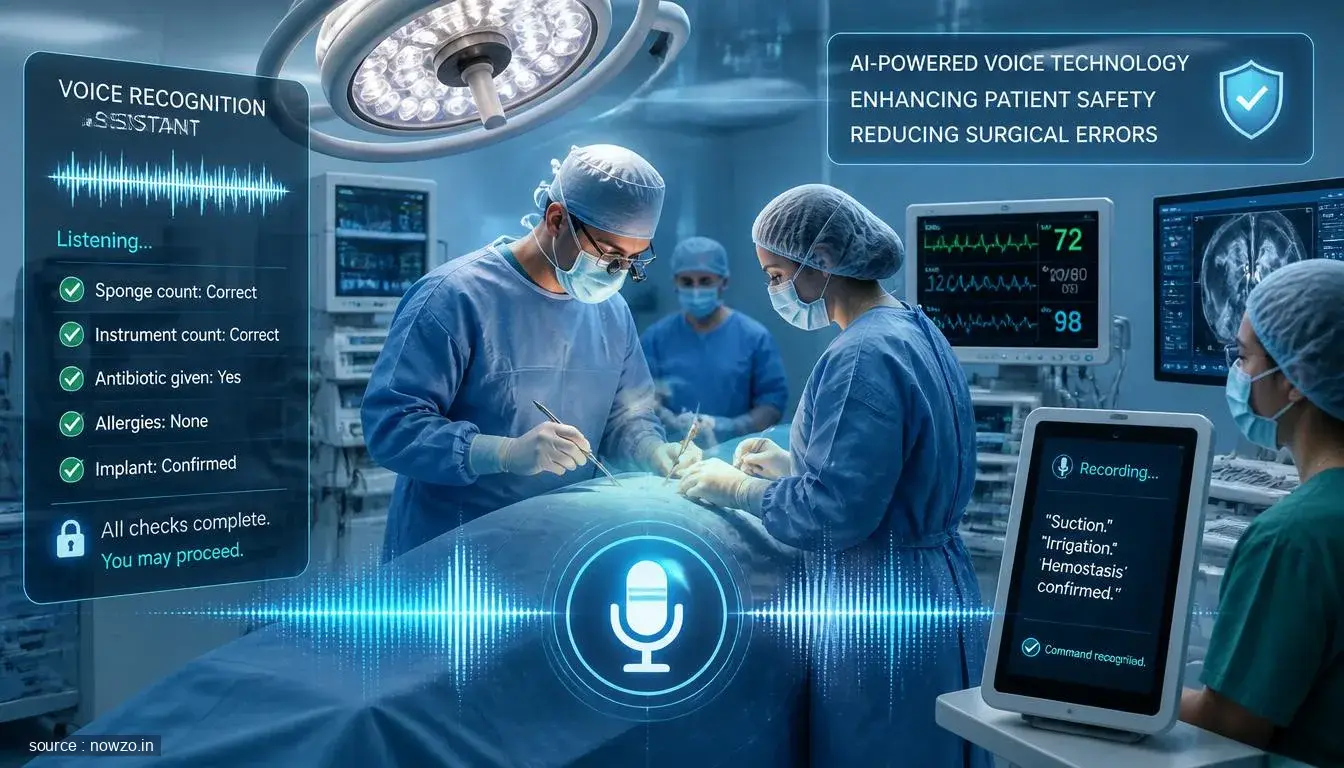
In a quiet but significant shift inside operating theaters, an NHS Trust is turning to voice recognition technology to safeguard patients during surgery. The move addresses one of medicine's most persistent risks: human error in high-pressure environments.
Key facts
- Voice recognition verifies patient identity and surgical details
- Designed to reduce human error in operating rooms
- Part of ongoing patient safety enhancements in NHS
A New Layer of Protection
Surgeons and nurses already follow strict protocols before making an incision. But in the tense, fast-paced world of surgery, mistakes can still happen—wrong patient, wrong site, wrong procedure. This technology adds an automated checkpoint, using voice commands to confirm critical information when hands are busy and minds are focused.
How It Works
The system requires surgical team members to verbally verify patient identity and procedure details. Voice recognition software cross-references this against electronic records, creating a digital audit trail and reducing reliance on memory or handwritten notes. It’s not about replacing human judgment—it’s about supporting it.
Why This Matters
Patient safety innovations often emerge from incremental improvements rather than dramatic breakthroughs. This voice system represents exactly that: a practical, technology-driven solution to a known vulnerability. For patients, it could mean one less thing to worry about when they’re at their most vulnerable.
Hospitals worldwide watch these NHS initiatives closely. When a major health system adopts new technology, others often follow—especially when it comes to saving lives in the operating room.



Comments