
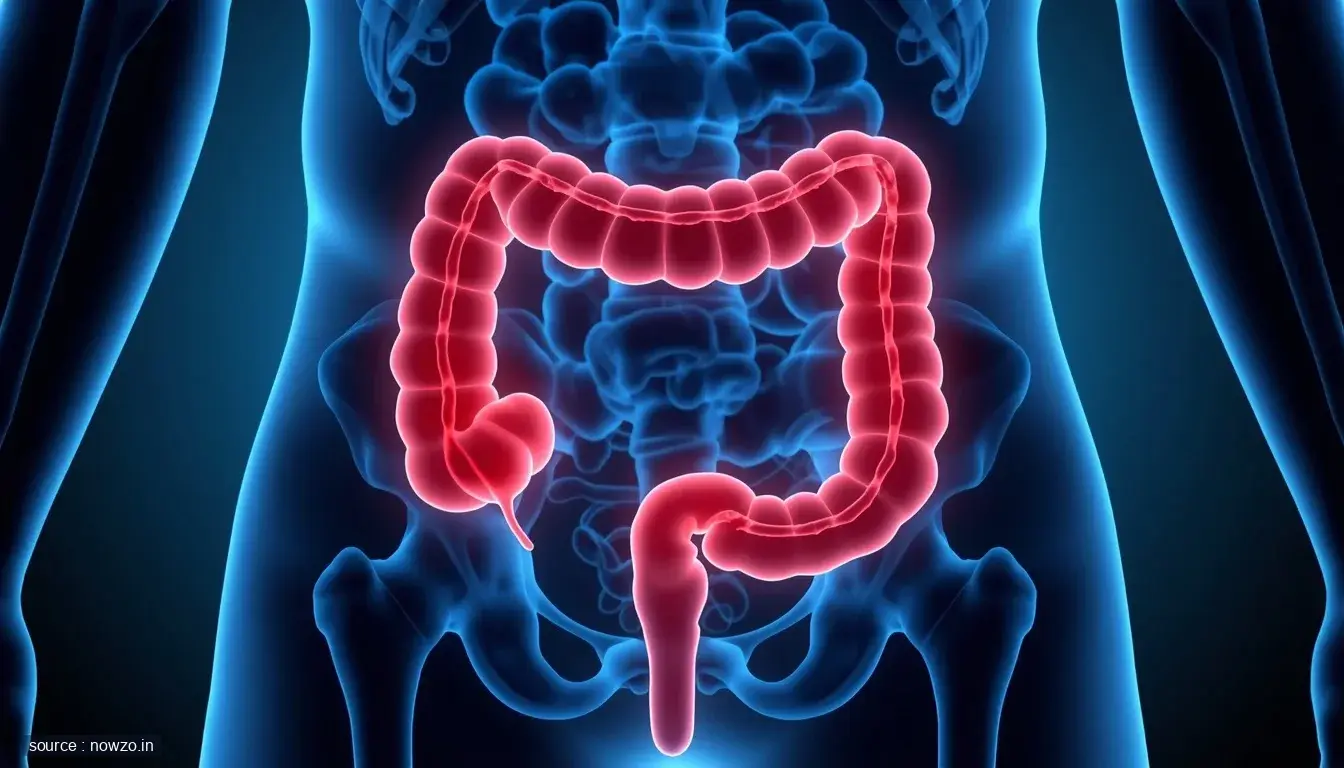
For countless rectal cancer patients, the prospect of radical surgery has meant facing life-altering consequences—permanent colostomies, incontinence, and sexual dysfunction. But new research is turning that difficult equation on its head, offering fresh hope that many might avoid the surgeon's knife altogether.
Key facts
- Clinical trial testing non-surgical approach for rectal cancer
- Focuses on chemoradiotherapy treatment
- Aims to help patients avoid major surgery and side effects
- Particularly relevant for early-stage rectal cancer
A different path forward
The STAR-TREC trial represents a significant shift in how doctors approach rectal cancer treatment. Instead of automatically moving toward invasive procedures that can dramatically impact quality of life, researchers are exploring whether targeted chemoradiotherapy can achieve similar cancer-fighting results while preserving bodily function.
Why this matters
Rectal cancer surgery often comes with permanent consequences that patients describe as devastating. The ability to avoid such procedures while still effectively treating cancer could transform recovery experiences and long-term wellbeing. Patients wouldn't just survive—they could maintain their normal lives.
Careful optimism
Medical experts are approaching these findings with cautious excitement. While the results appear promising, the research continues to evaluate which patients might be best suited for this non-surgical approach. The goal isn't to eliminate surgery entirely but to offer appropriate alternatives when medically sound.



Comments