
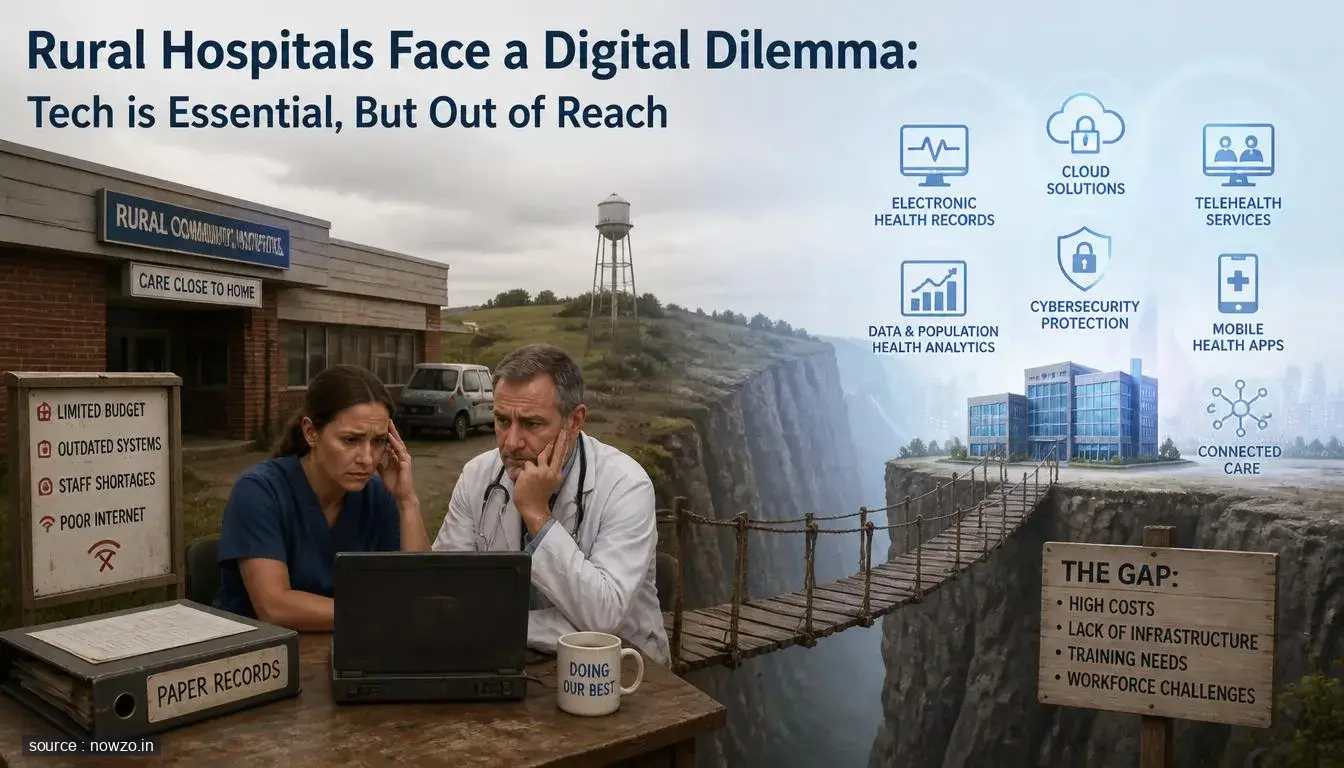
For small-town doctors and rural clinics across America, a quiet crisis is unfolding. They operate on the front lines of community health, yet many are locked out of the very technological advances that define modern medicine. It’s a painful paradox: the tools needed to provide top-tier care are often just beyond their financial grasp.
Key facts
- Small and rural healthcare providers face significant challenges accessing necessary technology.
- This creates a barrier to delivering effective and modern patient care.
- The situation highlights a growing divide in healthcare resources across different regions.
The High Cost of Staying Current
Imagine trying to run a hospital where every software update, every new diagnostic machine, feels like a luxury you can't afford. That's the daily reality for countless providers outside major urban centers. They watch as medical technology leaps forward, but their budgets simply can't keep up. This isn't about wanting the latest gadgets—it's about having the basic tools to properly diagnose and treat patients.
A Growing Divide in Care
The gap between well-funded urban medical centers and struggling rural practices keeps widening. When a clinic can't afford modern record-keeping systems or telehealth platforms, patients ultimately pay the price. They might face longer drives for specialized care or receive treatment without the benefit of digital coordination between providers. It creates a two-tier system where your zip code determines the sophistication of your healthcare.
Searching for Solutions
There's no simple fix for this complex problem. Some communities are exploring creative partnerships or grant funding to bridge the technology gap. Others are pushing for policy changes that recognize the unique challenges of rural healthcare. What's clear is that without intervention, the paradox will only deepen—leaving entire regions struggling to provide care that meets modern standards.



Comments