
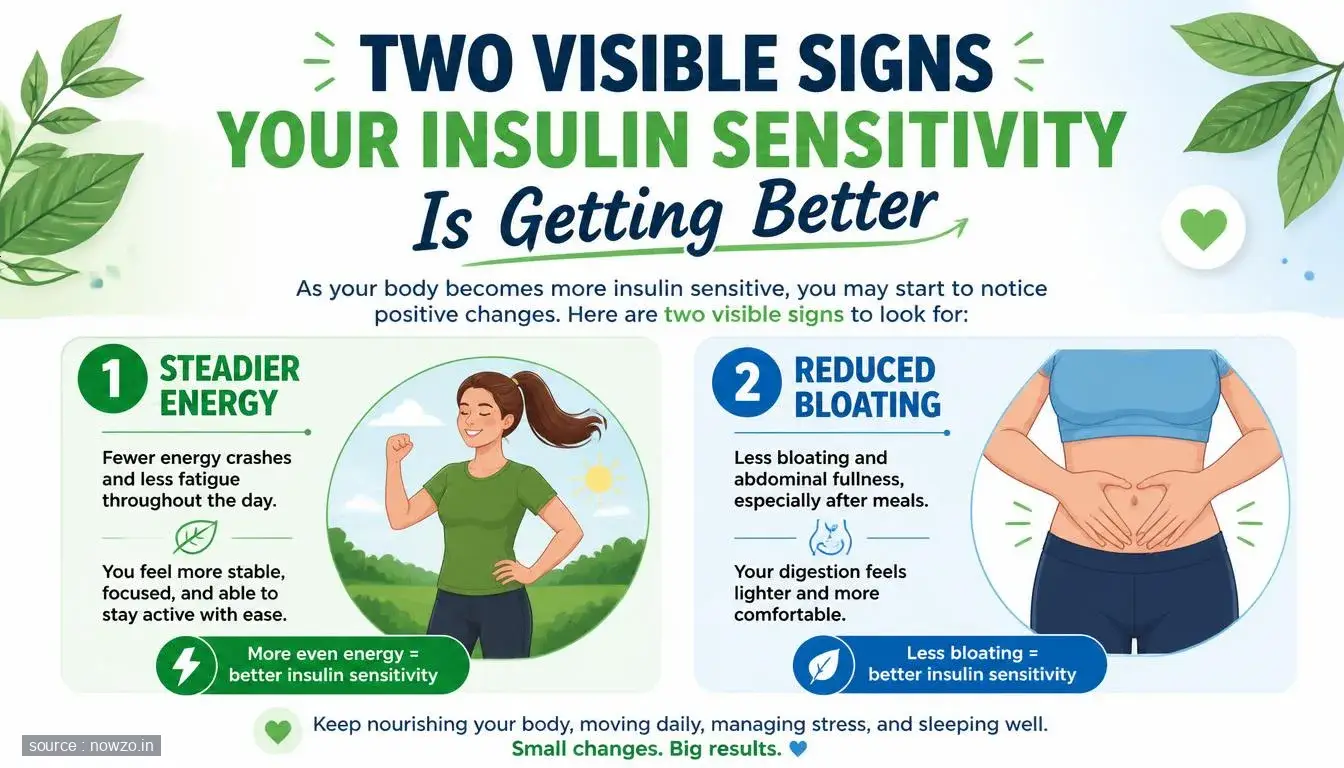
For anyone managing their metabolic health, spotting signs of progress can feel like searching for clues in the fog. But sometimes, the body sends clear signals—if you know what to look for.
Key facts
- Stable energy levels throughout the day, without dramatic crashes
- Reduced cravings for sugary or high-carbohydrate foods
What improving insulin sensitivity looks like
When insulin sensitivity gets better, it’s not always something you see on a lab report first. It shows up in how you feel day to day. That midday slump? It might start to lift. The urge to reach for something sweet after meals? That could fade, too.
These aren’t just random changes—they’re direct reflections of how efficiently your body is using glucose. Better insulin sensitivity means steadier blood sugar, and that translates to fewer energy swings and less intense hunger pangs.
Why these signs matter
Catching these improvements early can be motivating. They’re tangible proof that lifestyle changes—like better nutrition, regular movement, or stress management—are paying off.
It’s a reminder that metabolic health isn’t just numbers on a chart. It’s in the small, daily wins: feeling alert at 3 p.m., or walking past the candy aisle without a second glance.




Comments