
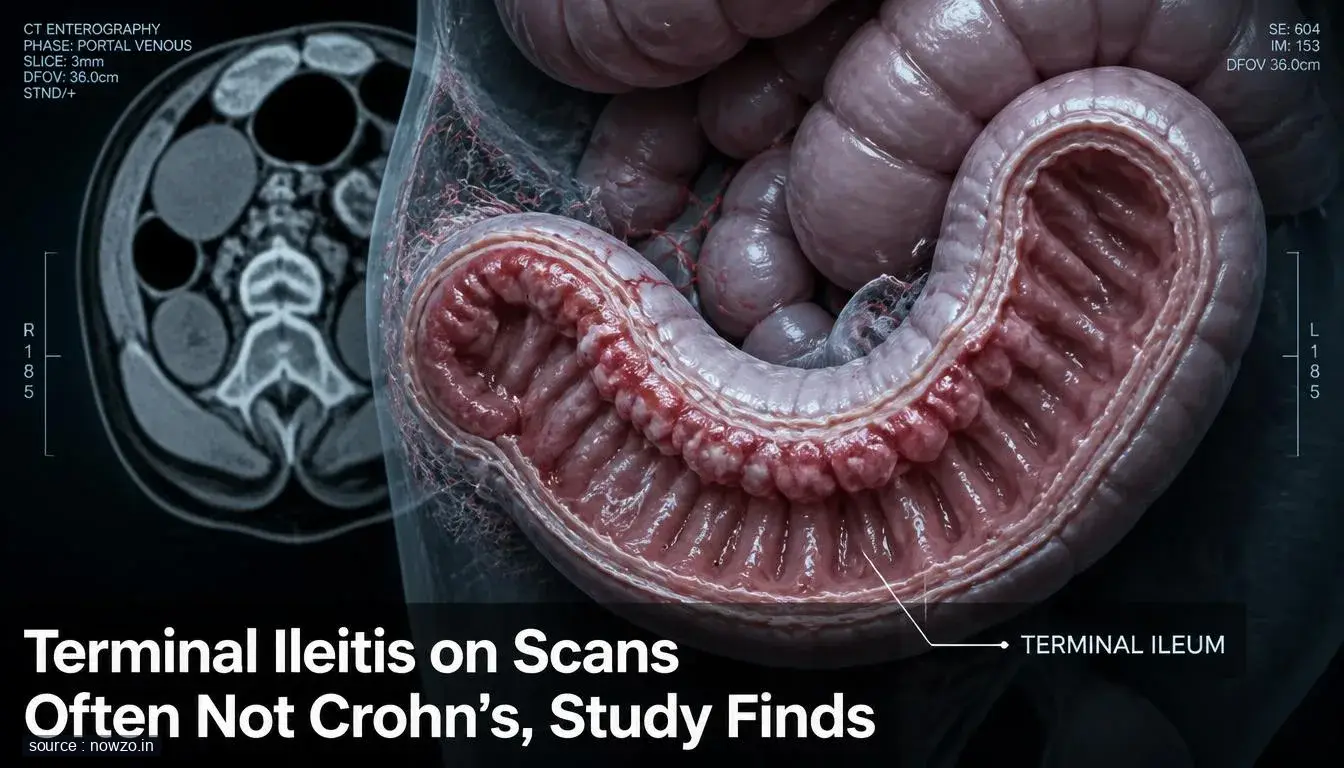
When radiologists spot inflammation in the terminal ileum—the final section of the small intestine—many physicians immediately suspect Crohn's disease. But new findings suggest this assumption might be leading clinicians down the wrong diagnostic path more often than not.
- Terminal ileitis appears on medical imaging scans
- Condition rarely indicates Crohn's disease despite common assumptions
- Findings challenge standard diagnostic approaches in gastroenterology
Rethinking Diagnostic Patterns
The revelation comes as gastroenterologists worldwide are reassessing how they interpret common imaging results. For years, the appearance of terminal ileitis has triggered automatic concerns about Crohn's, an inflammatory bowel disease that affects millions globally. But the data now suggests other conditions might be at play far more frequently.
Clinical Implications
This discovery could significantly impact patient care pathways. Doctors who encounter terminal ileitis on scans may need to broaden their diagnostic considerations rather than defaulting to Crohn's suspicions. The finding emphasizes the importance of comprehensive patient evaluation rather than relying solely on imaging results.
Looking Ahead
While the study doesn't diminish the seriousness of Crohn's disease, it does encourage a more nuanced approach to diagnosis. Medical professionals are now considering how this insight might change screening protocols and prevent unnecessary anxiety for patients who show terminal ileitis but may have entirely different conditions.





Comments