
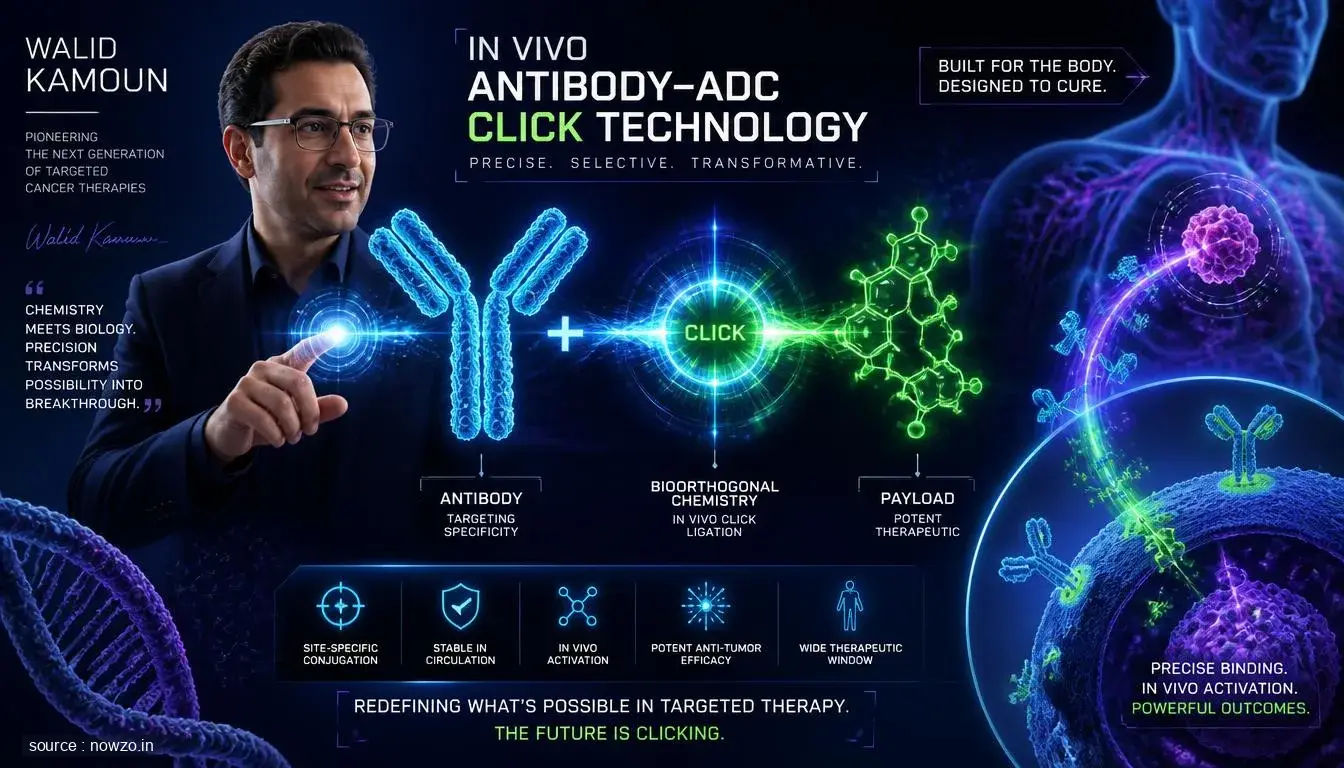
In a significant stride for cancer treatment, Walid Kamoun has brought attention to a cutting-edge in vivo antibody–ADC click technology that could redefine how targeted therapies are delivered. This innovation promises to enhance the precision of antibody-drug conjugates (ADCs), potentially reducing side effects and improving efficacy for patients.
- Technology focuses on in vivo click chemistry for antibody–ADC conjugation
- Aims to improve targeting and reduce off-site toxicity in treatments
- Represents a next-generation approach in cancer therapeutics
What This Means for Cancer Therapy
Traditional ADCs have shown promise, but their delivery isn't always as precise as hoped. Kamoun's highlighted technology uses click chemistry—a method known for its efficiency and specificity—right within the body. This could mean therapies that latch onto cancer cells more accurately, sparing healthy tissue and minimizing harsh side effects.
The Bigger Picture
Cancer research is constantly pushing boundaries, and in vivo techniques like this are at the forefront. By enabling more controlled conjugation of antibodies and drug payloads, this approach might open doors to treatments that are not only more effective but also kinder to patients undergoing therapy.
Looking Ahead
While still emerging, the technology underscores a growing trend toward personalized and precise medicine. If successful, it could set a new standard for how ADC therapies are developed and administered, offering hope for better outcomes in oncology.



Comments