
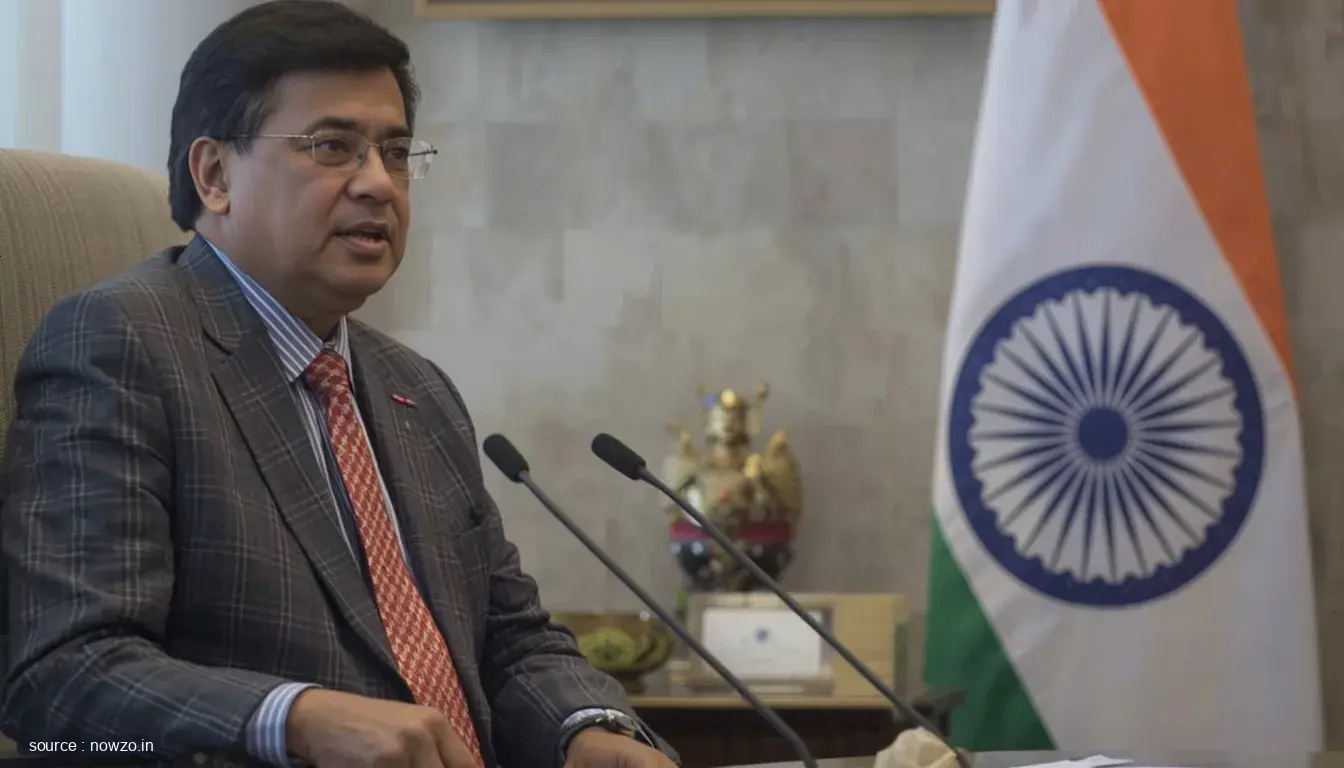
Navdeep Suri, a seasoned diplomat who represented India in three nations, found himself in an unexpected bureaucratic bind when he struggled to prove his own citizenship during Punjab's Special Summary Revision (SIR) of electoral rolls. The irony wasn't lost on him—or on observers who noted the peculiar challenge faced by someone who had served the country abroad.
- Suri served as India's envoy to three countries
- Encountered issues during Punjab's SIR process
- Official details did not match his records
The Bureaucratic Hurdle
Despite his distinguished career, Suri hit a wall when trying to establish his citizenship through the standard verification process. The system flagged discrepancies between his submitted information and existing government records. This wasn't about missing documents or incomplete paperwork—it was about matching data points that should have aligned seamlessly for someone with his documented history of service.
A Diplomat's Perspective
Suri's experience raises questions about how the system treats even its most credentialed citizens. If someone who has represented India internationally faces such challenges, what does that mean for ordinary citizens navigating similar processes? His case highlights the sometimes-rigid nature of bureaucratic systems that don't account for real-world complexities.
Broader Implications
This incident goes beyond one individual's frustration. It touches on larger issues of administrative efficiency and citizen verification in a country with complex demographic records. The SIR process in Punjab, meant to clean up electoral rolls, apparently created hurdles even for those with impeccable credentials. Suri's situation serves as a reminder that systems designed for verification need both precision and flexibility.

Comments