
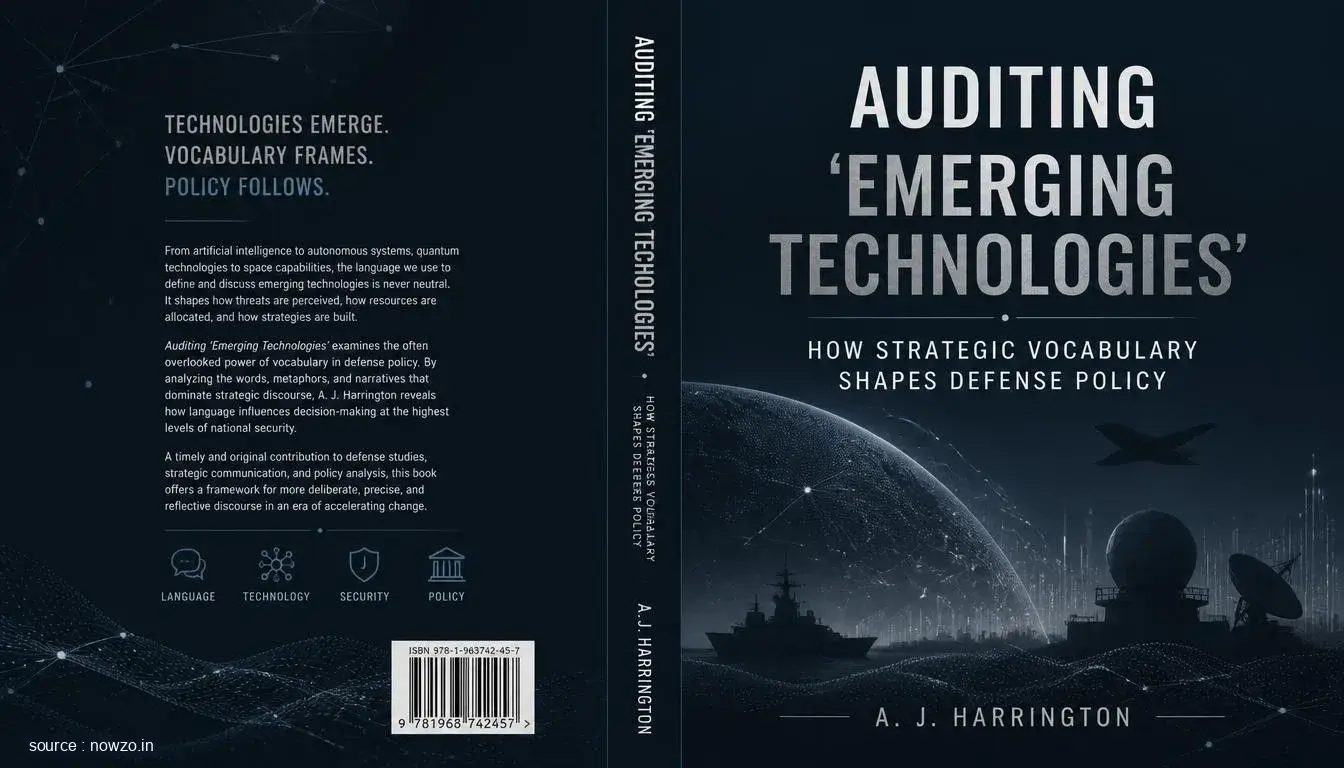
In contemporary defense circles and military policy debates, few phrases are deployed with as much frequency—or as little precision—as “emerging technologies.” From artificial intelligence and quantum computing to hypersonics and autonomous systems, the phrase serves as a catch-all umbrella for future capability. Now, an analysis published by Small Wars Journal takes aim at this lexicon, conducting a conceptual audit of how strategic studies uses and potentially overuses the term.
- Examination of core vocabulary within modern strategic studies.
- A critical audit of the definition and boundaries of “emerging technologies.”
- The impact of ambiguous terminology on defense planning, doctrine, and procurement.
The Problem with Broad Buzzwords
Defense policy often hinges on clarity. When strategic thinkers, policymakers, and military leaders rely on vague terminology, it risks blurring the line between mature, deployable innovations and theoretical capabilities still decades away. The critique highlights how “emerging technologies” frequently operates more as a rhetorical placeholder than an analytically sound concept.
Refining Defense Discourse
By conducting a formal conceptual audit, strategic studies literature aims to re-anchor defense discussions in rigorous definitions. Establishing clearer boundaries around what qualifies as truly transformative technology helps defense institutions better prioritize research, evaluate threats, and allocate national security investments without falling prey to technological hype.





Comments