
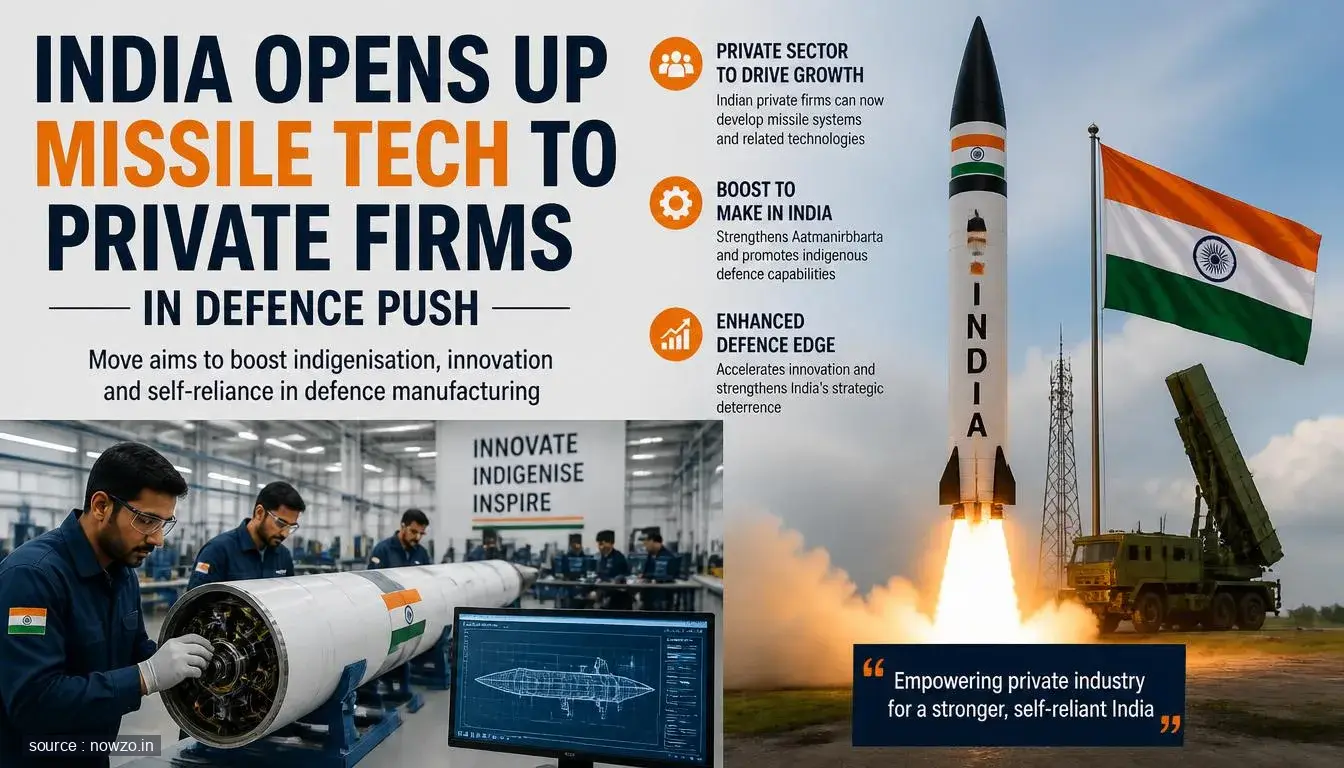
In a significant move to bolster India's defence manufacturing ecosystem, Defence Minister Rajnath Singh has greenlit the transfer of critical missile technologies from the Defence Research and Development Organisation (DRDO) to domestic industries. This decision marks a pivotal step toward self-reliance in defence production and empowers private companies to contribute more substantially to national security.
Key facts
- DRDO missile technologies approved for transfer to Indian defence industry
- Decision aimed at enhancing domestic manufacturing capabilities
- Part of broader effort to reduce import dependence in defence sector
Boosting domestic capabilities
The technology transfer initiative represents a concrete implementation of India's Atmanirbhar Bharat (self-reliant India) vision in the defence sector. By sharing cutting-edge missile technologies with qualified Indian companies, the government aims to create a robust defence industrial base that can meet the armed forces' requirements while reducing foreign dependency.
Strategic implications
This move comes at a time when global defence supply chains face increasing uncertainties. The transfer of missile technologies—typically closely guarded national assets—to private industry signals a profound shift in India's defence procurement strategy. It demonstrates growing confidence in domestic industry's capability to handle sophisticated defence technologies and deliver quality products.
Industry response
While specific company reactions weren't detailed in the announcement, defence industry representatives have long advocated for greater technology sharing from government research organizations. This decision is likely to be welcomed by defence manufacturers who have been seeking access to advanced technologies to scale up their production capabilities and innovation potential.



Comments