
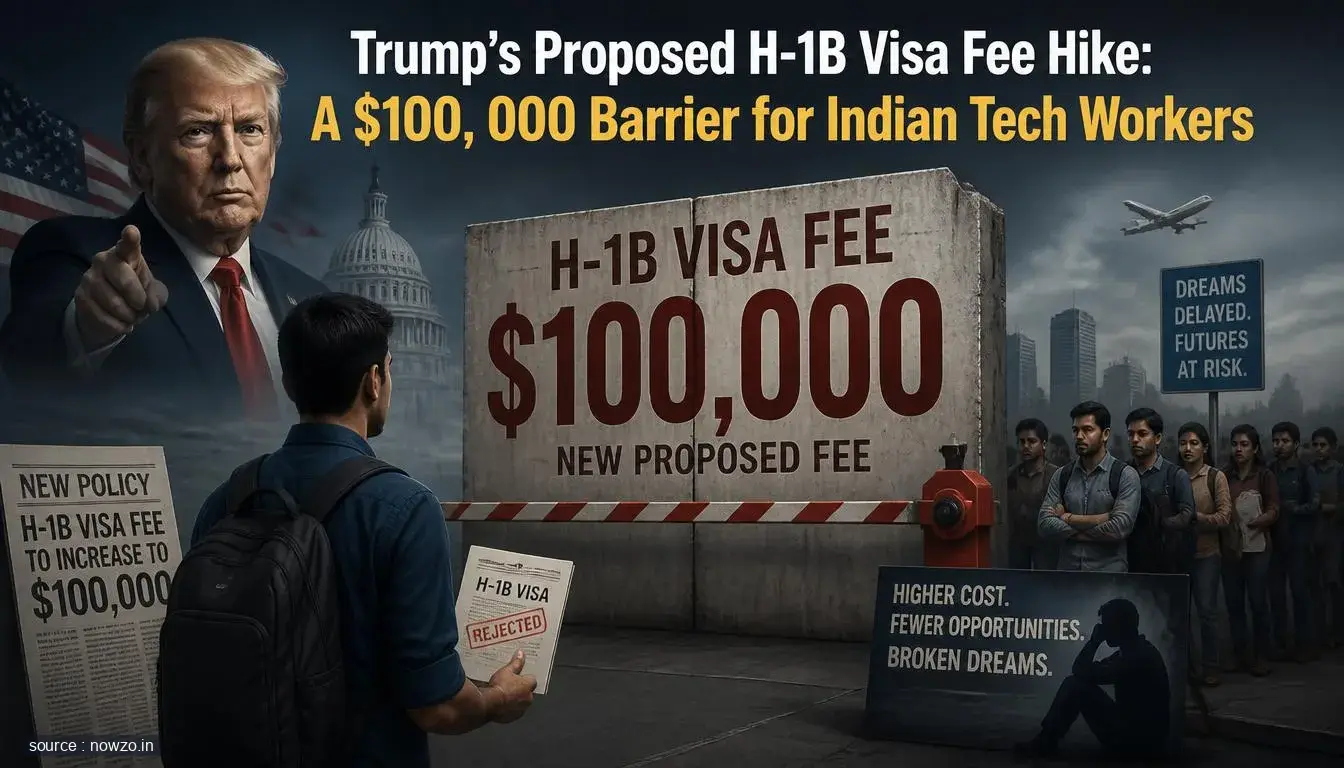
Indian tech professionals eyeing American opportunities face a potential financial barrier unlike any before. The Trump administration is moving to dramatically increase H-1B visa fees, with proposals pushing the cost beyond $100,000—a figure that could reshape who can afford to work in the United States.
Key Facts
- Proposed H-1B visa fee: over $100,000
- Primary impact on Indian tech workers
- Part of broader immigration policy changes
The Sticker Shock
For decades, the H-1B program has been a gateway for skilled workers, particularly from India, to join American tech companies. The current fees, while substantial, have been manageable for both employers and employees. This proposed increase to approximately $103,265 represents more than a price adjustment—it's a fundamental shift in accessibility.
Tech recruiters are already calling it a "gut punch" to the system. The numbers speak for themselves: where once companies could reasonably sponsor international talent, now they must weigh six-figure investments against each hire.
Broader Immigration Context
This fee hike doesn't exist in isolation. The administration is simultaneously proposing mass revocations of B1/B2 visas, creating a multi-front tightening of immigration rules. Together, these measures signal a comprehensive reevaluation of who enters the United States—and under what conditions.
The timing raises questions about the future of global talent mobility, particularly in technology sectors that have long relied on international expertise to fill specialized roles.
Impact on Indian Professionals
Indian workers dominate the H-1B program, making this proposal particularly consequential for India's tech community. For many aspiring professionals, the dream of working in Silicon Valley or other American tech hubs now carries a price tag that may be simply unaffordable.
The ripple effects could extend beyond individual careers to bilateral tech relationships and the global competition for talent. Companies may need to reconsider their hiring strategies, while workers face difficult calculations about their professional futures.



Comments