
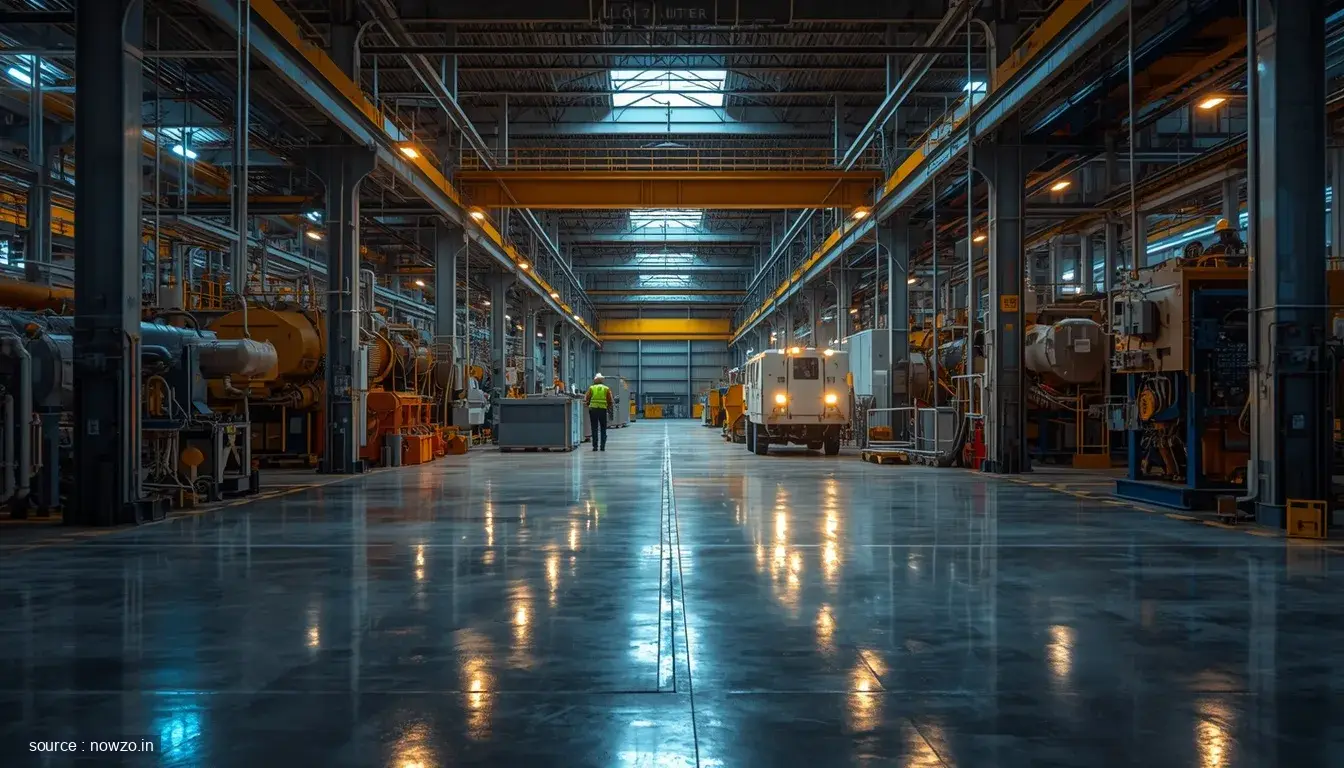
Amid the roaring engines of climate innovation—sleek electric vehicles, sprawling solar farms, futuristic carbon capture—one massive emitter sits quietly in the shadows: the factory floor. While startups chase consumer-facing solutions, industrial manufacturing, responsible for nearly a third of global CO2 emissions, remains startlingly overlooked by investors and innovators alike.
Key facts
- Industrial processes contribute approximately 30% of global carbon dioxide emissions
- Manufacturing emissions receive disproportionately low attention from climate technology investors
- This sector represents a critical blind spot in current decarbonization efforts
The Innovation Gap
Walk through any industrial park and you'll feel the heat—literal and metaphorical. These facilities hum with energy-intensive processes that have changed little in decades. Yet while climate tech funding floods into renewable energy and transportation, the complex, unsexy world of industrial manufacturing gets crumbs. The numbers don't lie: 30% of emissions from a sector that innovation seems to have forgotten.
Why Factories Get Overlooked
It's not malice—it's mathematics. Industrial processes are notoriously hard to decarbonize. They involve extreme heat, complex chemical reactions, and legacy infrastructure that can't simply be swapped out like a battery. Investors gravitate toward scalable software solutions, not the gritty, capital-intensive work of retrofitting century-old manufacturing systems. The result? A dangerous disconnect between where emissions occur and where solutions are being built.
The Path Forward
Some visionaries are starting to notice this gap. The challenge isn't just technological—it's about reimagining entire production systems while keeping costs competitive. Success will require deep collaboration between engineers, manufacturers, and policymakers. Without focused attention on this blind spot, even the most ambitious climate targets may remain out of reach.


Comments