
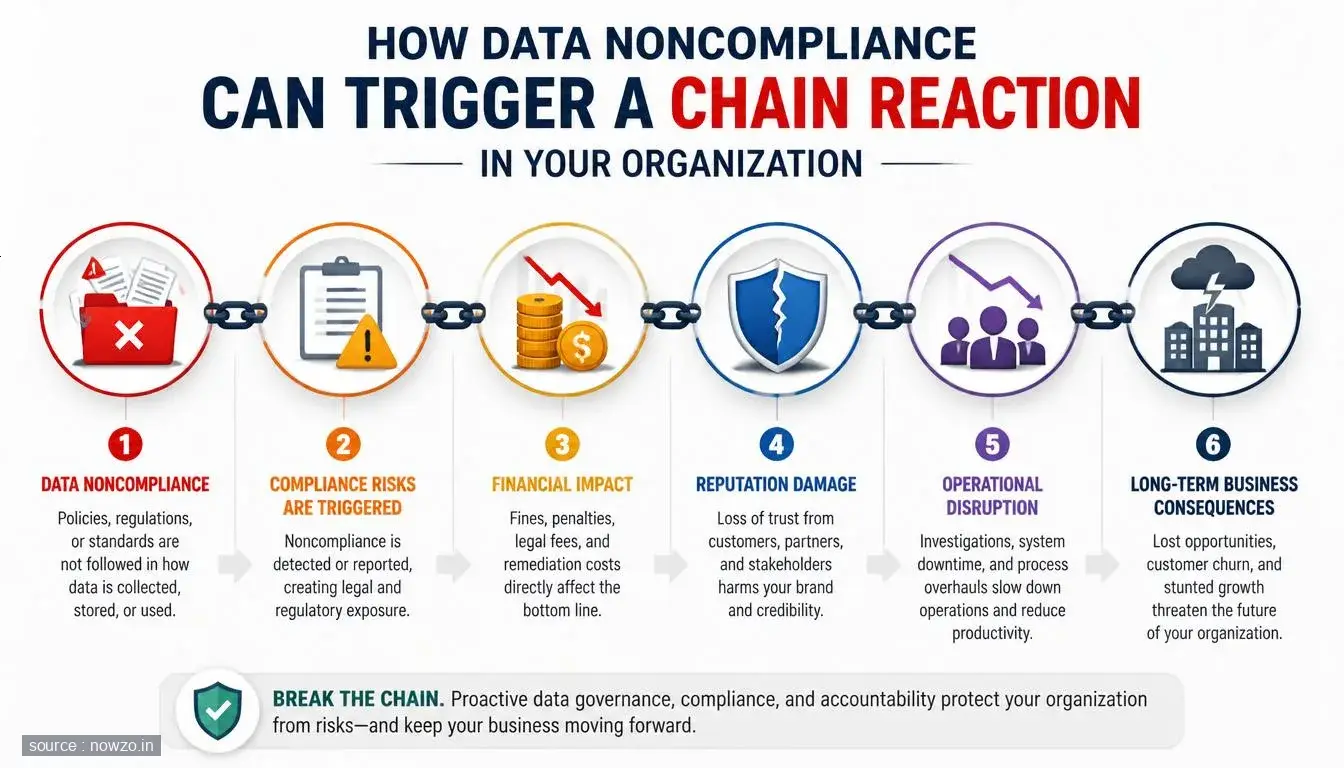
When one piece of data falls out of line, the consequences rarely stay contained. What begins as a minor oversight can ripple through departments, systems, and even entire organizations, creating what experts call the data noncompliance domino effect.
- Noncompliance in one area can cascade across multiple departments
- Regulatory violations often stem from interconnected data systems
- Prevention requires cross-functional coordination and robust oversight
The Ripple Effect of Regulatory Missteps
Imagine a single inaccurate data point entering your system. It might seem insignificant at first—a misplaced decimal, an outdated customer record. But in today's interconnected digital environments, that small error can propagate with astonishing speed. Before you know it, marketing campaigns target wrong audiences, financial reports contain flawed figures, and compliance teams face regulatory scrutiny.
Breaking the Chain Before It Starts
The key to prevention lies in recognizing that data integrity isn't just an IT issue. It's an organizational priority that demands attention from leadership down to frontline employees. Companies that succeed in dodging the domino effect typically implement rigorous validation protocols and foster cultures where data accuracy matters to everyone.
A Proactive Approach to Data Governance
Waiting for regulators to identify problems means you're already behind. Forward-thinking organizations establish continuous monitoring systems that flag potential compliance issues before they spread. They treat data quality not as a compliance checkbox but as a fundamental business practice—one that protects reputation, maintains customer trust, and ensures operational continuity.





Comments