
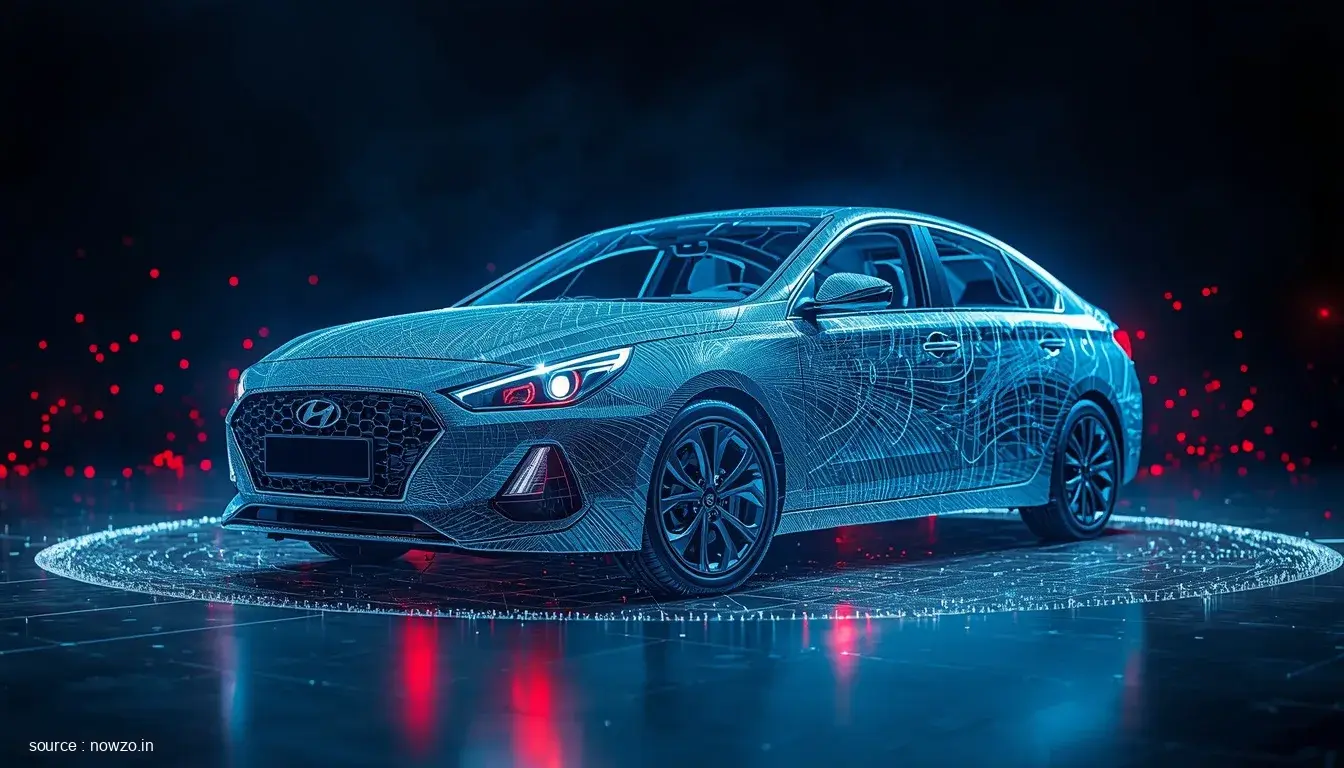
For thirty years, Hyundai Motor Group has been meticulously crashing cars—recording every crumple, impact, and fracture in painstaking detail. That mountain of safety data, gathered from thousands of tests, sat waiting like a locked treasure chest. Now, artificial intelligence has provided the key.
Key facts
- Hyundai analyzed 30 years of crash test data using AI
- The technology processes complex safety information faster than traditional methods
- AI helps identify patterns and insights human engineers might miss
- The breakthrough accelerates vehicle safety development timelines
From data deluge to safety solutions
Imagine three decades of crash tests—each one generating reams of sensor readings, video footage, and structural analysis. Human engineers could only process so much of this information manually. The AI system, however, devours this data feast, identifying subtle patterns and correlations that might escape even the most experienced safety experts.
Accelerating protection
What does this mean for drivers and passengers? Faster development of life-saving systems. By quickly analyzing how vehicles behave in crashes, Hyundai can refine airbag deployment algorithms, strengthen cabin integrity, and optimize crumple zones with unprecedented precision. The AI doesn't replace human engineers—it amplifies their capabilities, giving them superhuman analytical power.
The future of vehicle safety
This breakthrough represents a fundamental shift in how automakers approach safety testing. Instead of relying solely on new physical crash tests, companies can now mine their historical data for insights that inform future designs. It's like having every crash test ever conducted working together to make the next generation of vehicles safer.



Comments