
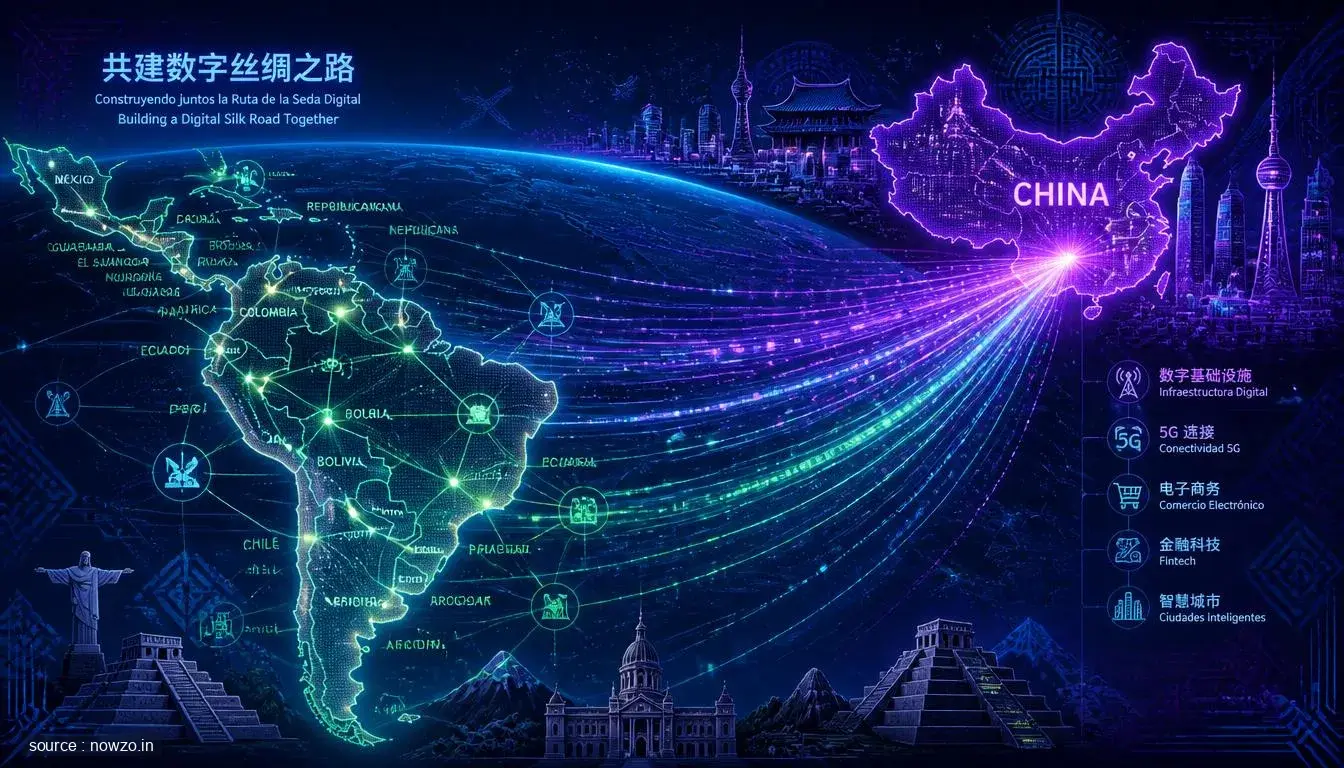
Latin America is witnessing a quiet but profound shift in its technological landscape, as China steadily expands its digital footprint across the region. From sprawling infrastructure projects to nuanced data governance agreements, Beijing’s strategy is weaving technology, data flows, and digital sovereignty into the fabric of its engagement.
- China is investing heavily in digital infrastructure, including 5G networks and data centers.
- Partnerships focus on digital sovereignty, aligning with local data governance policies.
- The approach integrates technology with broader economic and strategic interests in the region.
A Strategic Digital Push
Beijing’s playbook in Latin America isn’t just about bricks and mortar anymore. It’s increasingly digital, with Chinese firms rolling out 5G networks, constructing data hubs, and offering smart city solutions. These moves do more than just boost connectivity—they position China as a key architect of the region’s technological future.
Data and Sovereignty at the Core
At the heart of this expansion lies a focus on data governance and digital sovereignty. China is striking agreements that resonate with Latin American nations eager to control their digital realms. These partnerships often emphasize local data storage, cybersecurity, and alignment with national policies, creating mutual benefits—and dependencies.
Implications and Reactions
This growing presence hasn’t gone unnoticed. While some governments welcome the investment and expertise, others watch with caution, weighing economic gains against strategic autonomy. The blend of technology, data, and influence is redrawing lines in a region long shaped by external powers.





Comments