
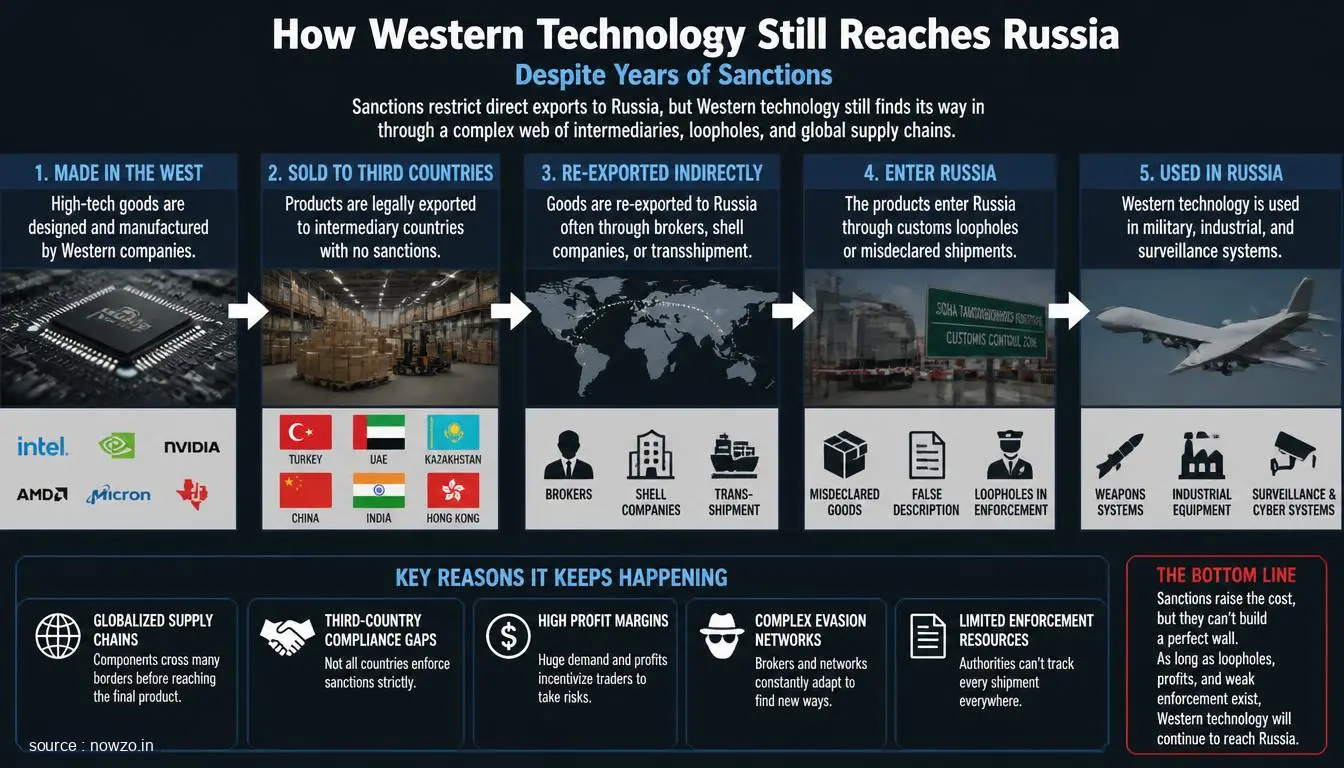
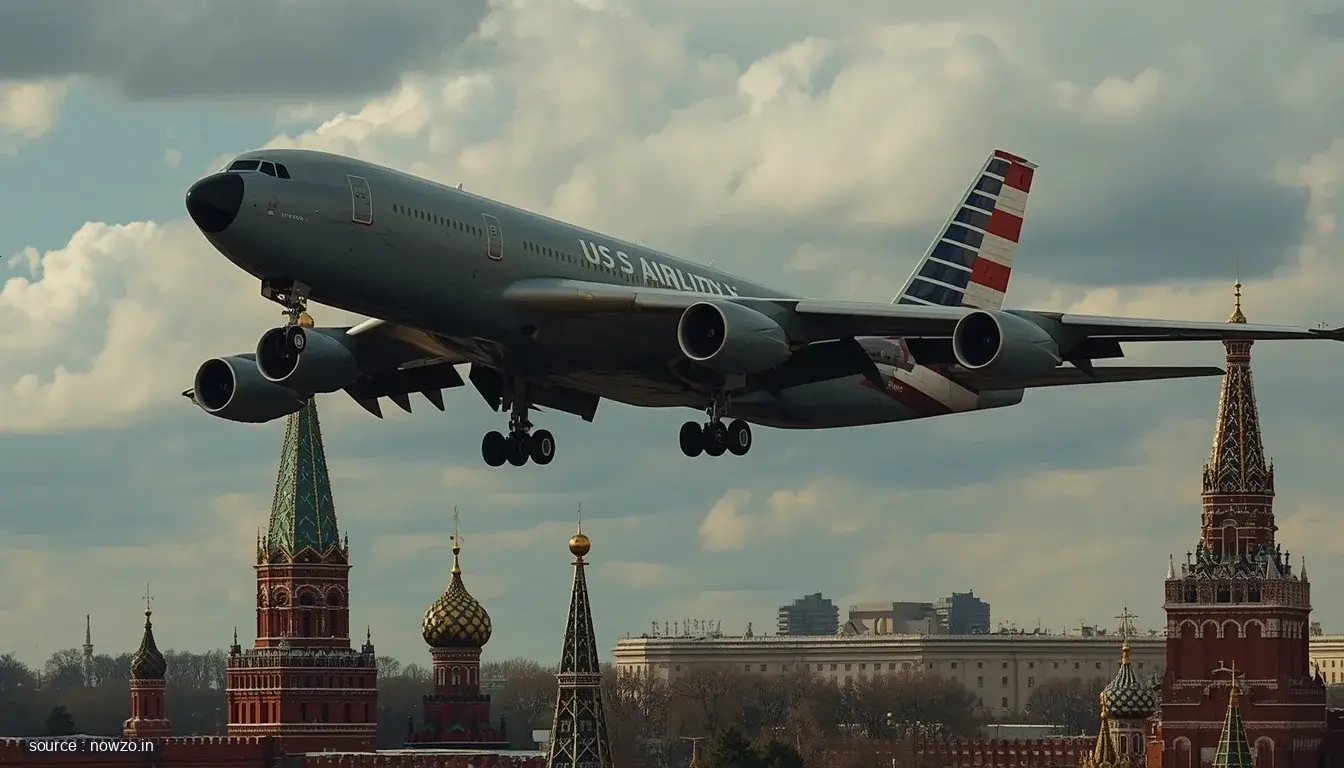
Russia has operated under Western sanctions for years, yet a steady stream of technology from the United Kingdom and European Union continues to reach Russian supply chains. The persistence of these trade flows has raised urgent questions about how restricted goods are slipping through and what role third countries, particularly India, may be playing in the process.
The Sanctions Landscape
Western nations imposed sweeping sanctions on Russia in response to its actions on the global stage, targeting key sectors including technology, finance, and defense. These measures were designed to cut off Moscow's access to critical components and equipment, particularly those with potential military applications.
Despite these restrictions, reports indicate that technology originating from the UK and EU member states continues to surface in Russian supply networks. The ongoing flow of goods suggests significant gaps in enforcement and monitoring mechanisms.
How Technology Reaches Russia
The pathway for Western technology into Russia typically involves complex networks of intermediaries and third-party countries. Rather than direct shipments, goods often pass through multiple jurisdictions before reaching their final destination, making tracking and interdiction considerably more difficult.
These supply chains exploit legal and regulatory differences between nations, taking advantage of countries that have not imposed sanctions on Russia or that lack robust export control systems. The result is a shadow trade network that operates in the spaces between international regulations.
India's Position in the Equation
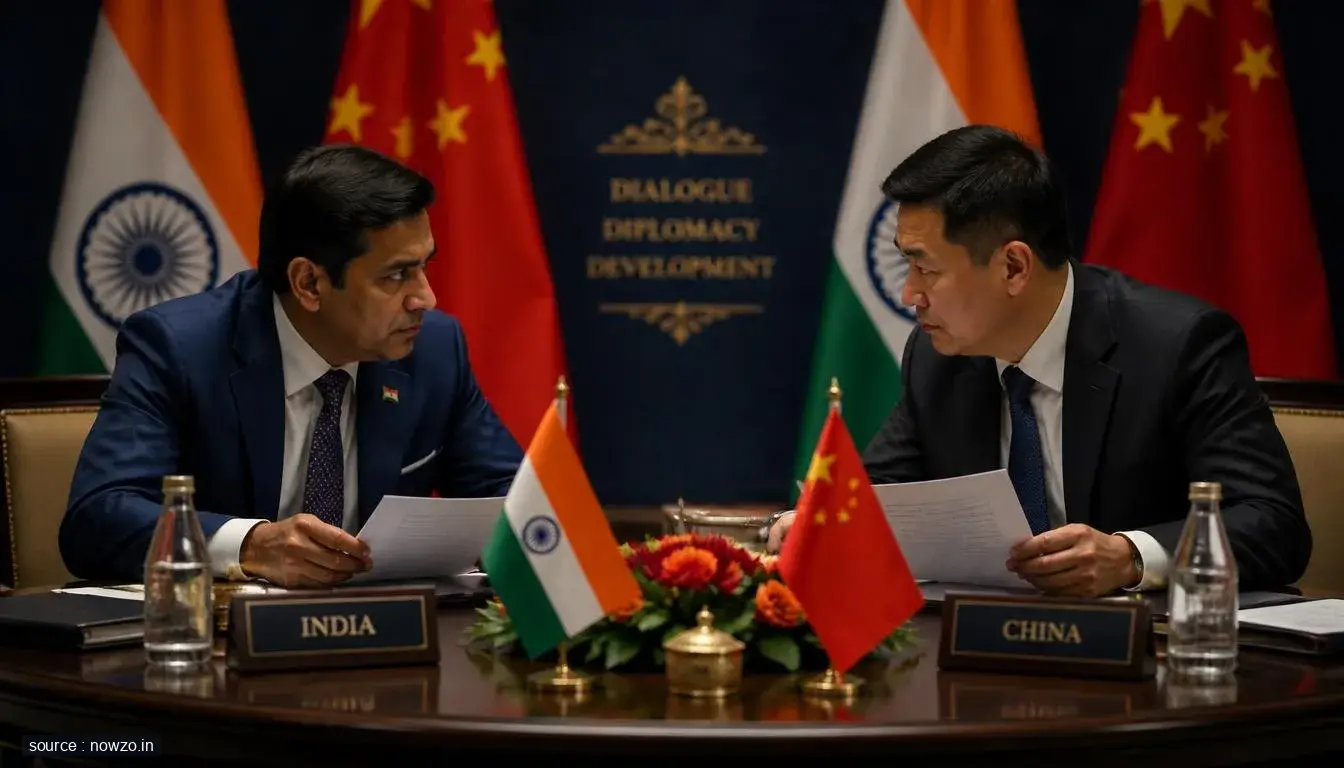
India has emerged as a focal point in discussions about sanctions evasion and the continued flow of Western technology to Russia. As a nation that has maintained trade relationships with Moscow while also engaging with Western partners, India occupies a unique position in the global trade landscape.
The country's role in these supply chains has drawn scrutiny from Western officials and analysts who are working to understand how technology transfers occur despite existing restrictions. Questions remain about whether India serves as a transit point, a manufacturing hub, or both in the movement of restricted goods.
Enforcement Challenges
The continued presence of UK and EU technology in Russian supply chains highlights the enormous challenges facing sanctions enforcement. Monitoring global trade flows requires unprecedented levels of international cooperation and information sharing.
Export controls are only as effective as the weakest link in the chain. When goods pass through multiple countries with varying levels of regulatory oversight, opportunities for diversion multiply. Companies and individuals seeking to circumvent sanctions have become increasingly sophisticated in their methods.
Western governments face pressure to strengthen enforcement mechanisms and close loopholes that allow restricted technology to reach Russia. This includes enhanced due diligence requirements for exporters, improved tracking systems, and greater coordination with partner nations.
Looking Ahead
The issue of Western technology reaching Russia despite sanctions remains a significant concern for policymakers in London, Brussels, and other Western capitals. As long as demand exists and enforcement gaps persist, these trade flows are likely to continue.
Addressing the problem will require a multifaceted approach that combines stricter export controls, better international cooperation, and increased pressure on intermediary nations to strengthen their own regulatory frameworks. The role of countries like India will remain under close examination as Western nations work to make their sanctions regimes more effective.
The coming months will likely see continued debate about how to balance international trade relationships with the imperative to prevent sensitive technology from reaching Russia. Finding that balance while maintaining the integrity of sanctions regimes represents one of the most pressing challenges in contemporary international relations.
Comments