
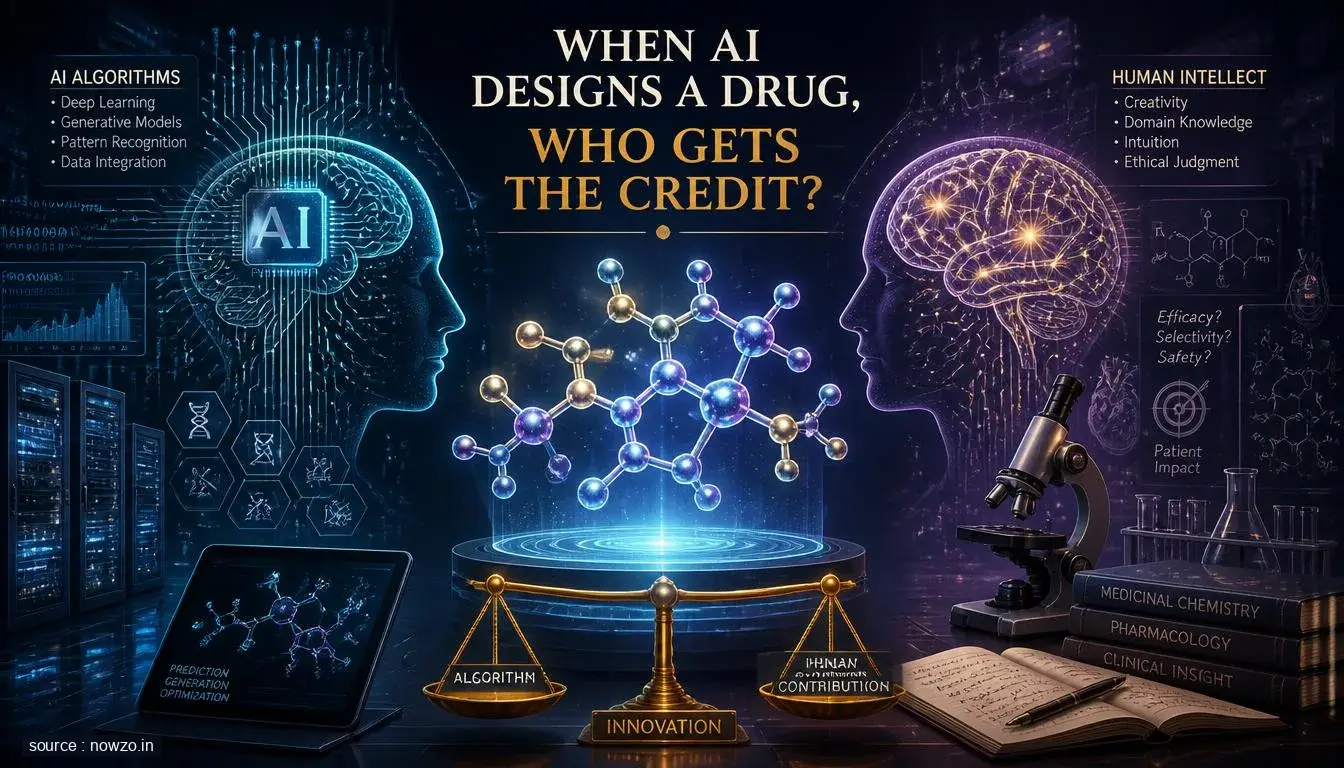
Artificial intelligence is rapidly transforming pharmaceutical research, with AI systems now capable of designing new drug candidates. But as these tools take on a bigger role in the discovery process, a pressing question has emerged: when AI designs a drug, who gets the credit?
MIT Technology Review has examined this issue, which sits at the intersection of technology, law, and scientific recognition. The question is becoming increasingly relevant as AI-driven drug discovery moves from experimental concept to practical reality.
A Growing Debate in Science and Law
The rise of AI in drug design challenges long-standing norms around authorship, inventorship, and intellectual property. Traditional frameworks for crediting drug discovery were built around human researchers, and the integration of AI into the process is testing those boundaries.
The debate touches on fundamental questions about the role of machines in creative and scientific work — questions that extend well beyond the pharmaceutical industry.
Why It Matters
How credit is assigned in AI-assisted drug discovery could have significant implications for patents, academic recognition, and the future of pharmaceutical innovation. As AI tools become more capable, the pressure to resolve these questions will only intensify.
For researchers, companies, and policymakers alike, the issue of AI credit in drug design is one that demands attention now — before the technology outpaces the frameworks meant to govern it.





Comments