
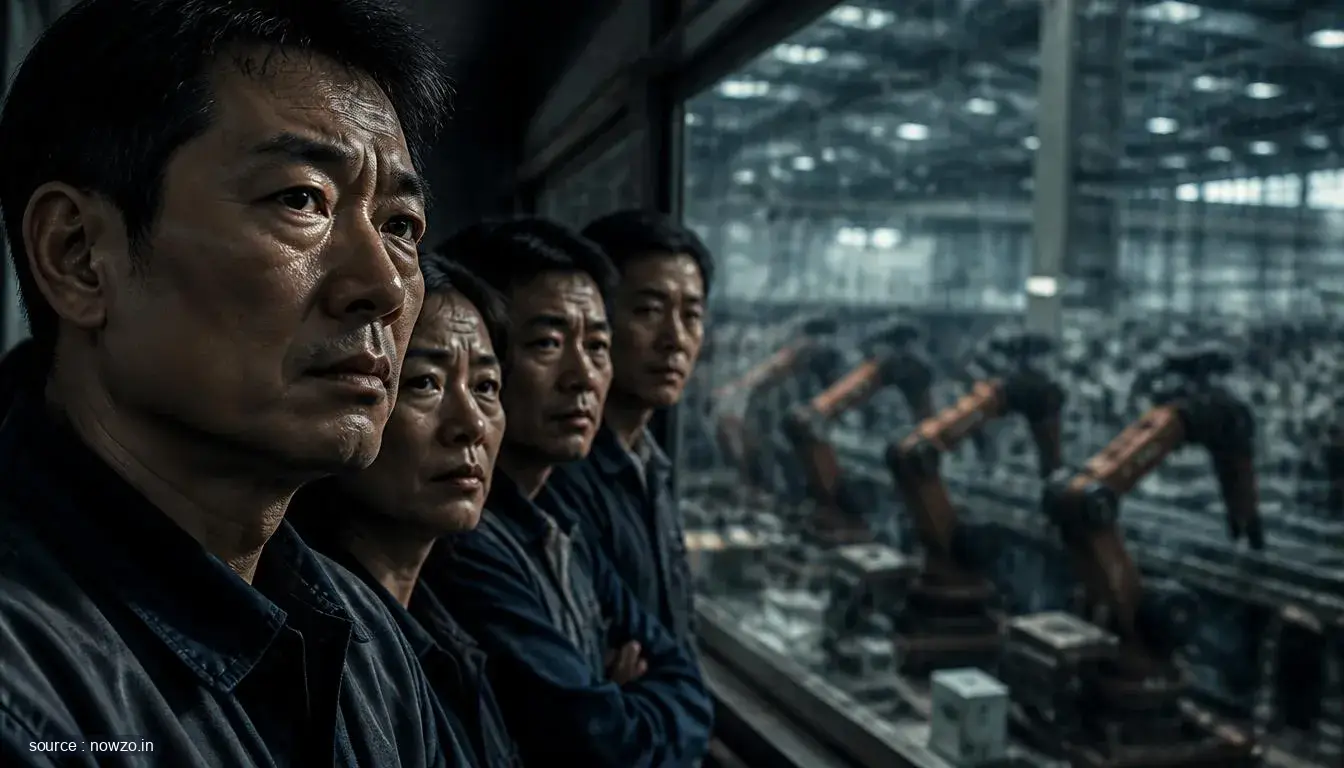
Across China, a quiet unease is settling into offices and factories. Workers are watching, adapting, and increasingly worrying as artificial intelligence begins to reshape the very nature of their jobs.
- Workers in China express concern over potential job replacement due to AI
- The impact of AI on employment is growing and accelerating adaptation
- Anxiety is spreading across various sectors as automation technology advances
The Human Cost of Progress
This isn't about abstract technological trends—it's about people checking their phones on the subway, wondering if their skills will still be relevant next year. It's about factory workers watching new machines arrive and office employees seeing algorithms handle tasks that once required human judgment.
A Nation in Transition
China's rapid embrace of AI creates a peculiar tension. The same technology that promises economic advancement also threatens to leave millions behind. Workers aren't resisting progress; they're trying to navigate it while protecting their livelihoods.
The Adaptation Challenge
What makes this moment particularly challenging is the pace of change. Unlike previous industrial revolutions, AI's transformation isn't happening over decades. For many Chinese workers, the future arrived yesterday, and they're scrambling to keep up.

Comments