

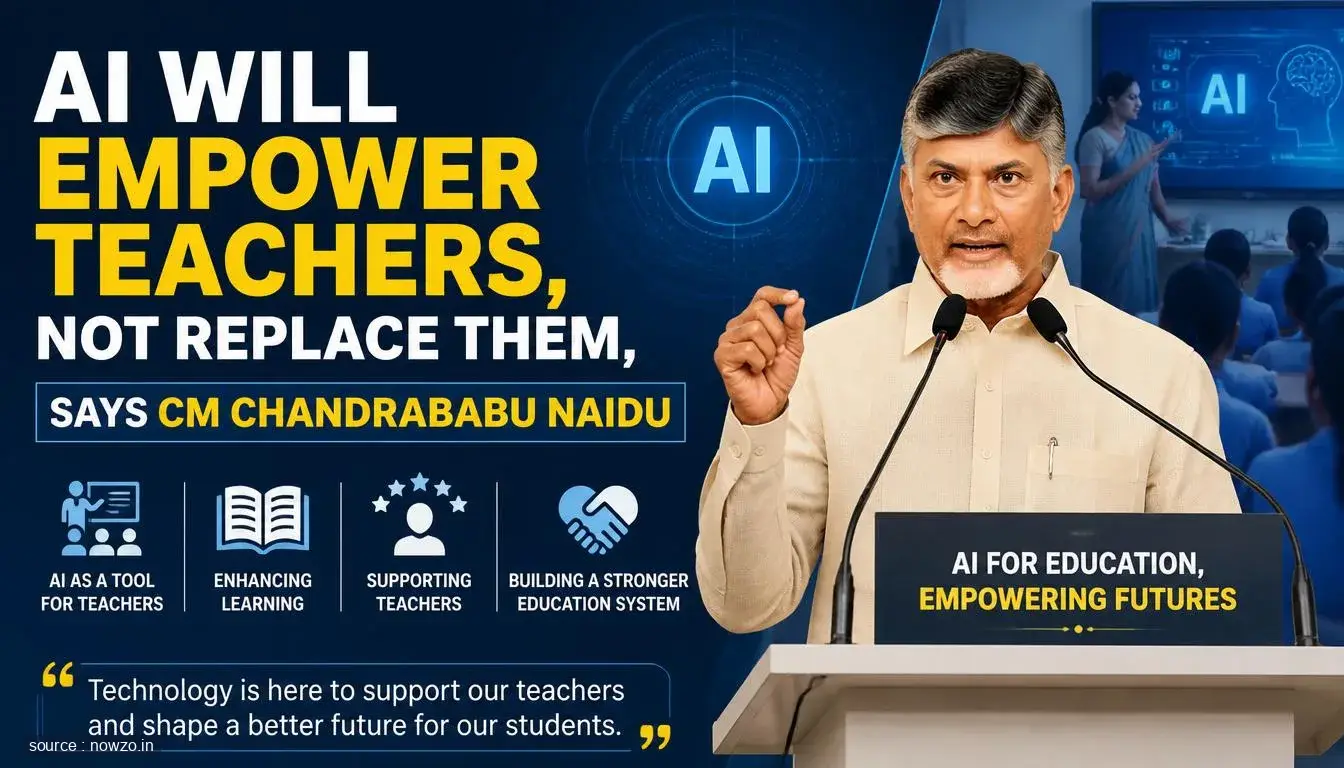
In an era where algorithmic answers sit just a keystroke away, can software ever truly substitute the human touch in a classroom? Addressing a crowded hall at Kalamandira in Mysuru on Saturday, Yathindra Siddaramaiah gave a resounding no. Marking the 138th birth anniversary of Dr. Sarvepalli Radhakrishnan during district-level Teachers’ Day celebrations, the district in-charge minister underscored that artificial intelligence and emerging tech tools will never displace the classroom teacher.
Key Takeaways from the Mysuru Address
- Irreplaceable human role: AI provides raw information, but teachers mold character, conduct, and ethics.
- Recruitment drive: The Karnataka state government has set in motion steps to hire roughly 15,000 teachers.
- Infrastructure push: Active measures are underway to repair school buildings and construct needed facilities.
- Call for inclusion: Experts advocated for preemptive accessibility ramps and strengthened support for girls’ schooling.
The Divide Between Information and Wisdom
Dr. Yathindra noted that modern schoolgoers enjoy instant, frictionless access to troves of facts and study materials via digital networks. Even so, the core purpose of schooling extends far past memory work and query searches.
“Education is not just about imparting information. It is about developing good character and moral values in students. This is a task that only teachers can accomplish.”
Echoing cultural roots, he noted that Indian heritage has historically elevated educators to a position on par with revered deities. Backing those sentiments with policy commitments, Yathindra affirmed that the state is working systematically to alleviate staffing shortages and dilapidated schoolrooms, confirming an ongoing drive to induct roughly 15,000 teachers.
Shifting Mindsets and Modern Demands
Narasimharaja MLA Tanveer Sait joined the podium to urge teachers to recalibrate their methods for 21st-century classrooms. While entry ages remain steady year over year, students' psychological environments and worldviews evolve rapidly. He observed that observant teachers frequently decipher a child’s emotional and learning hurdles before their own parents do, while urging broader public acceptance for government and aided school staff.
Building for Every Child Before Day One
Adding a passionate pedagogical view, former professor and retired Central Institute of Indian Languages director C.G. Venkatesha Murthy termed instruction a sacred generational duty rather than an ordinary job. He challenged educators to grasp each pupil's domestic realities, physical limitations, and individual struggles.
Highlighting basic classroom oversights, Venkatesha Murthy cautioned against banishing short-sighted students to back desks simply because of height. Furthermore, he insisted that schools install ramps and railings well before a child with special needs enrolls, while urging sustained backing for initiatives such as the Kasturba Gandhi Balika Vidyalaya (KGBV) framework.



Comments