
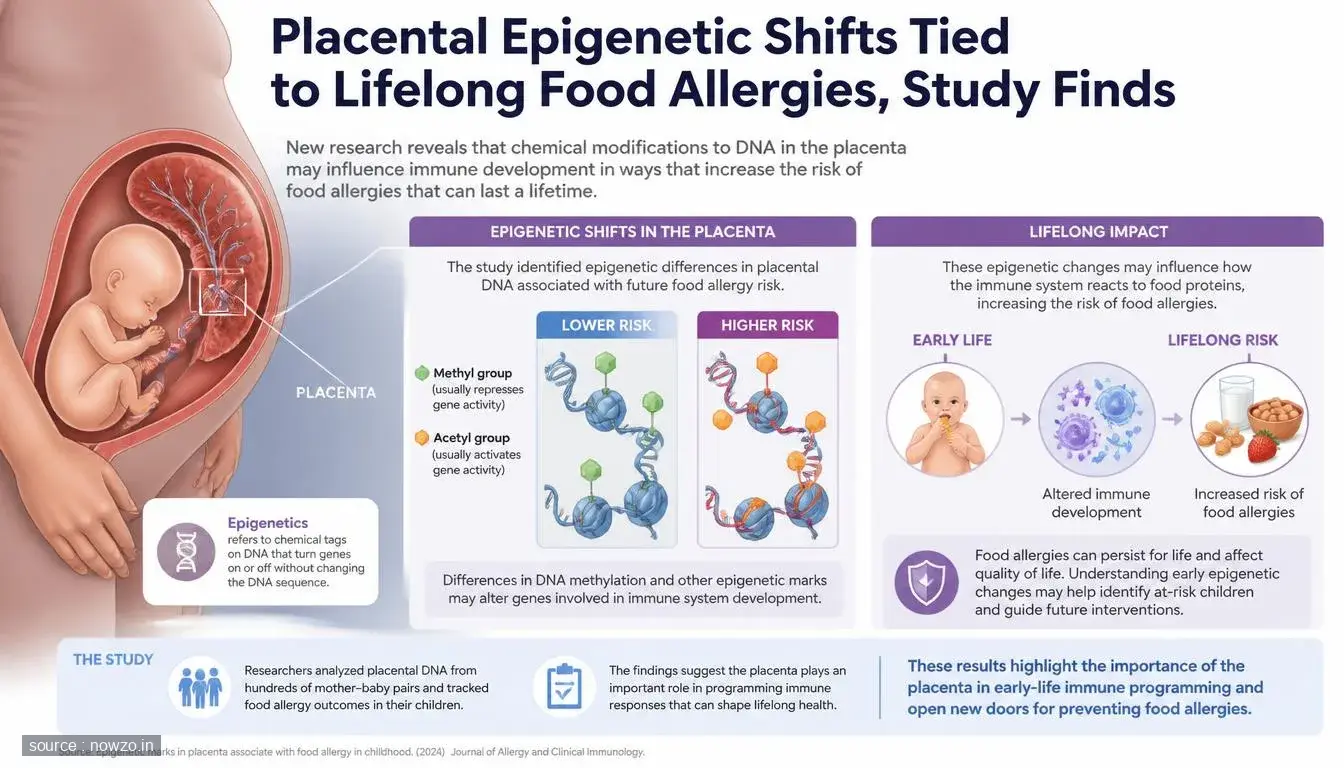
Scientists have uncovered a compelling biological clue that might explain why some children develop lifelong food allergies while others outgrow them. The answer, it seems, could be written in the epigenetics of the placenta before they're even born.
Key facts
- Epigenetic changes in the placenta are linked to persistent food allergy development
- Research suggests these molecular markers could help identify at-risk infants early
- Findings open new pathways for understanding allergy prevention and treatment
The Placental Connection
The placenta, often called the first organ we develop, appears to play a crucial role in programming immune responses. Researchers found specific epigenetic signatures—molecular modifications that regulate gene activity without changing the DNA sequence—that distinguish infants who will develop persistent food allergies from those who won't.
Implications for Early Detection
This discovery could revolutionize how we approach food allergy prevention. Instead of waiting for symptoms to appear, doctors might one day screen placental tissue or use non-invasive methods to identify at-risk newborns. The window of opportunity for intervention could shift from childhood to the earliest moments of life.
Looking Ahead
While the research is still emerging, it represents a significant step toward understanding why food allergies have become increasingly common. The placental environment, it turns out, might hold answers we've been searching for in all the wrong places—pointing researchers toward prenatal origins rather than postnatal triggers.




Comments