
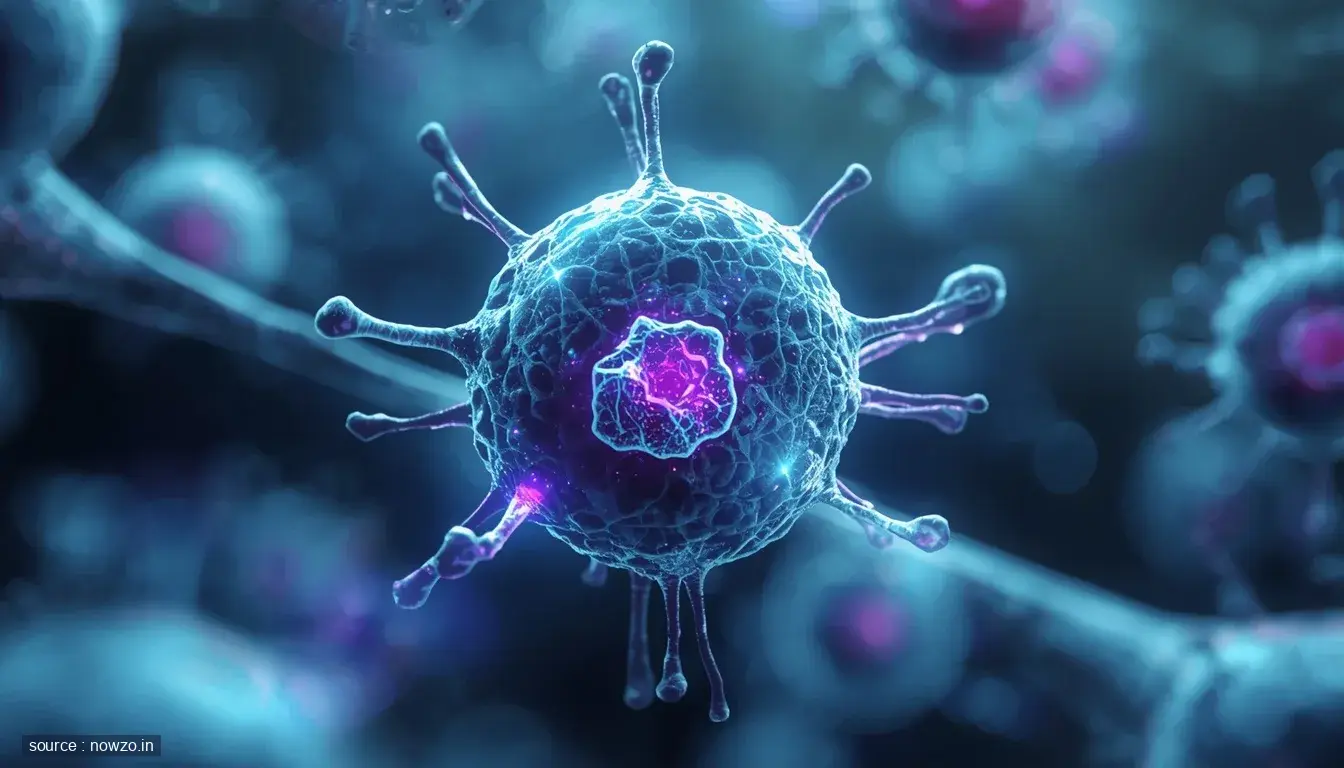
Scientists have made a startling discovery about how our blood stem cells age—and they did it with artificial intelligence. Researchers have identified what appears to be a master regulatory hub controlling the aging process in hematopoietic stem cells, the precious cells responsible for generating our entire blood supply throughout life.
- AI technology identified key aging mechanisms in blood stem cells
- Discovery focuses on hematopoietic stem cells that produce all blood cells
- Findings could lead to new treatments for age-related blood disorders
The Aging Puzzle in Our Blood Factory
Hematopoietic stem cells work tirelessly in our bone marrow, churning out red blood cells, white blood cells, and platelets. But like all cells, they eventually wear out. As these crucial cells age, their function declines, leading to increased risk of anemia, immune deficiency, and blood cancers in older adults. Until now, the precise regulatory mechanisms controlling this aging process remained largely mysterious.
How AI Cracked the Code
Researchers turned to artificial intelligence to analyze complex genetic data that would take humans years to process. The AI system sifted through massive datasets, identifying patterns and connections that revealed a central regulatory network. This hub appears to coordinate multiple aging pathways simultaneously, acting like a control center for the entire aging process in these vital cells.
What This Means for Medicine
The implications are profound. Understanding this regulatory hub could allow scientists to develop interventions that slow or even reverse aspects of stem cell aging. We might eventually see treatments that maintain youthful blood cell production in elderly patients, potentially preventing age-related blood disorders and extending healthspan.


Comments