
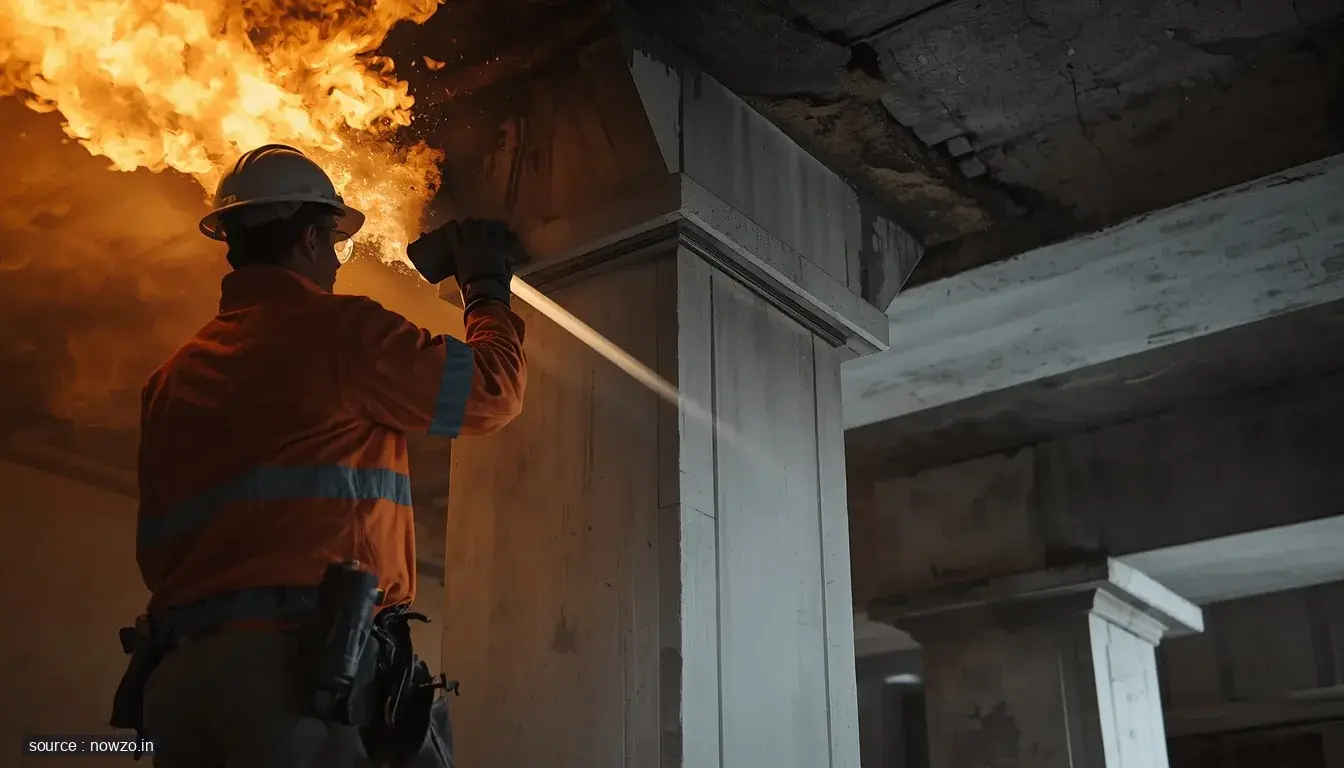
When fire rages through a structure, concrete isn't supposed to fail—but sometimes it does, violently. A new analysis digs into why blended cement concrete can suddenly explode under extreme heat, a phenomenon known as thermohydraulic spalling that keeps engineers awake at night.
Key facts
- Study focuses on thermohydraulic spalling in blended cement concrete
- Research published through Springer Nature
- Analysis examines concrete behavior under high-temperature conditions
The Hidden Danger in Modern Construction
Blended cement concrete has become a staple in contemporary building projects, prized for its durability and environmental benefits. But this widespread material carries a little-known risk when temperatures soar. The study meticulously documents how internal pressure builds as moisture turns to steam, potentially causing catastrophic failure when least expected.
Why This Matters Now
As climate change intensifies and urban fires become more frequent, understanding material behavior under duress isn't just academic—it's potentially life-saving. This research arrives at a crucial moment for architects, engineers, and safety officials who must balance innovation with proven protection.
Looking Ahead
While the analysis doesn't offer immediate solutions, it provides something equally valuable: clarity. By mapping the precise conditions that lead to spalling, researchers have given the building industry a roadmap toward safer designs and better materials testing.






Comments