
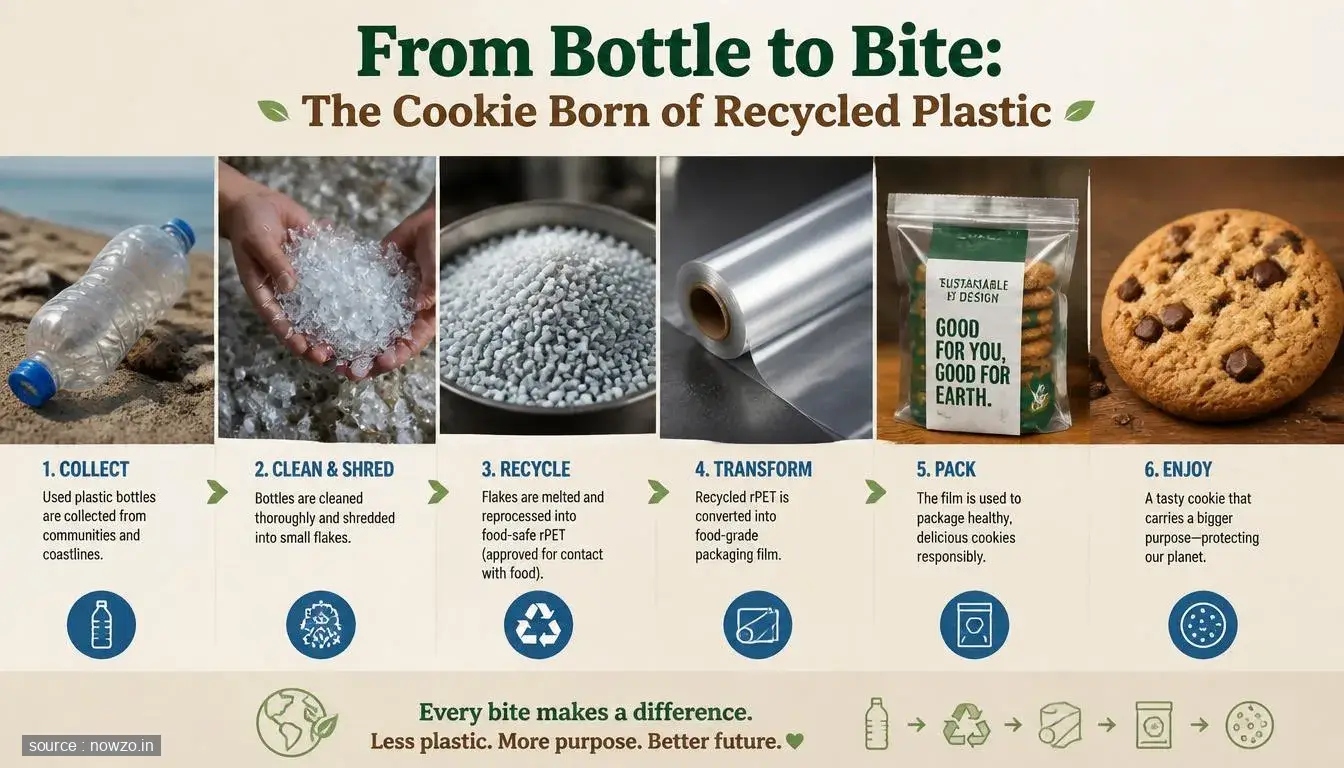
In a startling twist of scientific ingenuity, the humble plastic bottle may soon find a second life not in a landfill, but in your cookie jar. Researchers have cracked the code on converting polyethylene terephthalate (PET) into vanillin, the primary compound responsible for vanilla's beloved flavor.
- Scientists used engineered E. coli to transform terephthalic acid from PET into vanillin.
- This process offers a sustainable method to upcycle plastic waste.
- The resulting vanillin is chemically identical to natural vanilla flavoring.
A Recipe for Change
The breakthrough hinges on a clever biological process. First, plastic bottles are broken down into their core component, terephthalic acid. Then, specially engineered bacteria get to work, converting this acid into the fragrant molecule we recognize as vanilla. It’s a full-circle moment for sustainability—one that could redefine how we view waste.
Implications for a Greener Future
This isn’t just a laboratory curiosity. With millions of tons of plastic clogging our oceans and landscapes, finding innovative ways to repurpose it is urgent. Turning trash into a treasured food ingredient could revolutionize recycling, making it economically viable and environmentally transformative. The potential is as vast as the problem it aims to solve.
The Flavor of Innovation
While the idea of eating something derived from plastic might give pause, the science is sound. The resulting vanillin is molecularly identical to its natural counterpart, meeting all food safety standards. It’s a testament to how creative thinking can turn a global crisis into an opportunity for sweet, sustainable progress.

Comments