
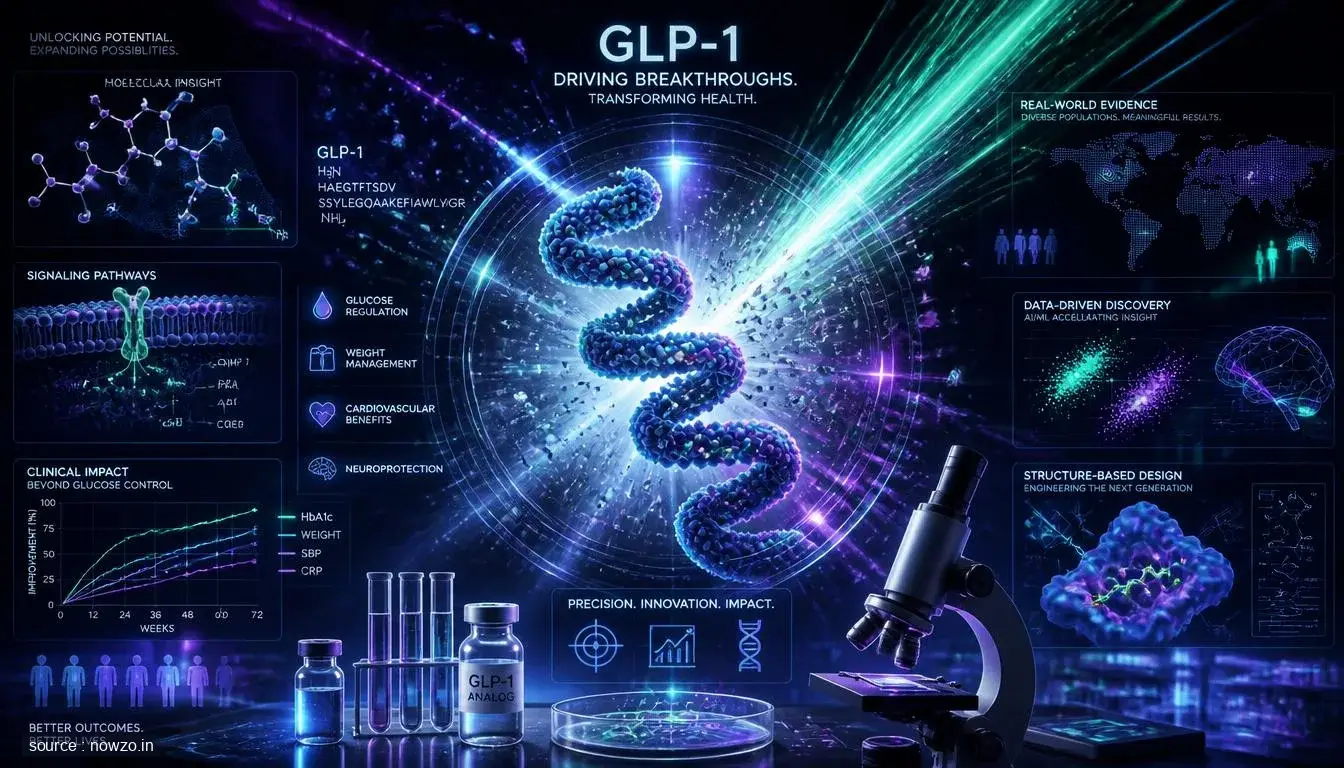
The pharmaceutical world is buzzing with breakthrough therapies—GLP-1 agonists for weight loss and diabetes, novel biologics for rare diseases—but behind every vial lies a hidden world of analytical complexity. Scientists are now grappling with molecules so intricate that traditional testing methods simply can’t keep up.
- GLP-1 agonists and newer biologics present unique structural and functional challenges
- Advanced analytical techniques are required to ensure purity, stability, and efficacy
- The field demands continuous innovation in instrumentation and methodology
Why These Molecules Are Different
Unlike small-molecule drugs, biopharmaceuticals are large, complex proteins. Their behavior in the body depends not just on chemical composition but on higher-order structure—how they fold, how they interact. A slight change in manufacturing can alter efficacy or safety. That’s why scientists can’t rely on yesterday’s tools.
The Testing Tightrope
Every batch of a GLP-1 drug requires rigorous characterization. Scientists must confirm identity, purity, potency, and stability—often under tight deadlines. Mass spectrometry, chromatography, and spectroscopic methods are being pushed to new limits. It’s a high-stakes balancing act: innovate quickly, but never compromise on accuracy.
What’s Next for Drug Analysis
The industry isn’t standing still. Labs are adopting high-resolution instruments, AI-driven data analysis, and more sensitive assays. But as drugs grow more sophisticated, so must the science that validates them. One researcher put it bluntly: “We’re building the plane while flying it.”





Comments