
New research supported by NASA suggests that microbes associated with humans could survive in certain regions of the Moon’s south pole. The findings are raising fresh concerns about biological contamination as space agencies prepare for future lunar exploration.
Microbes May Endure Lunar Conditions
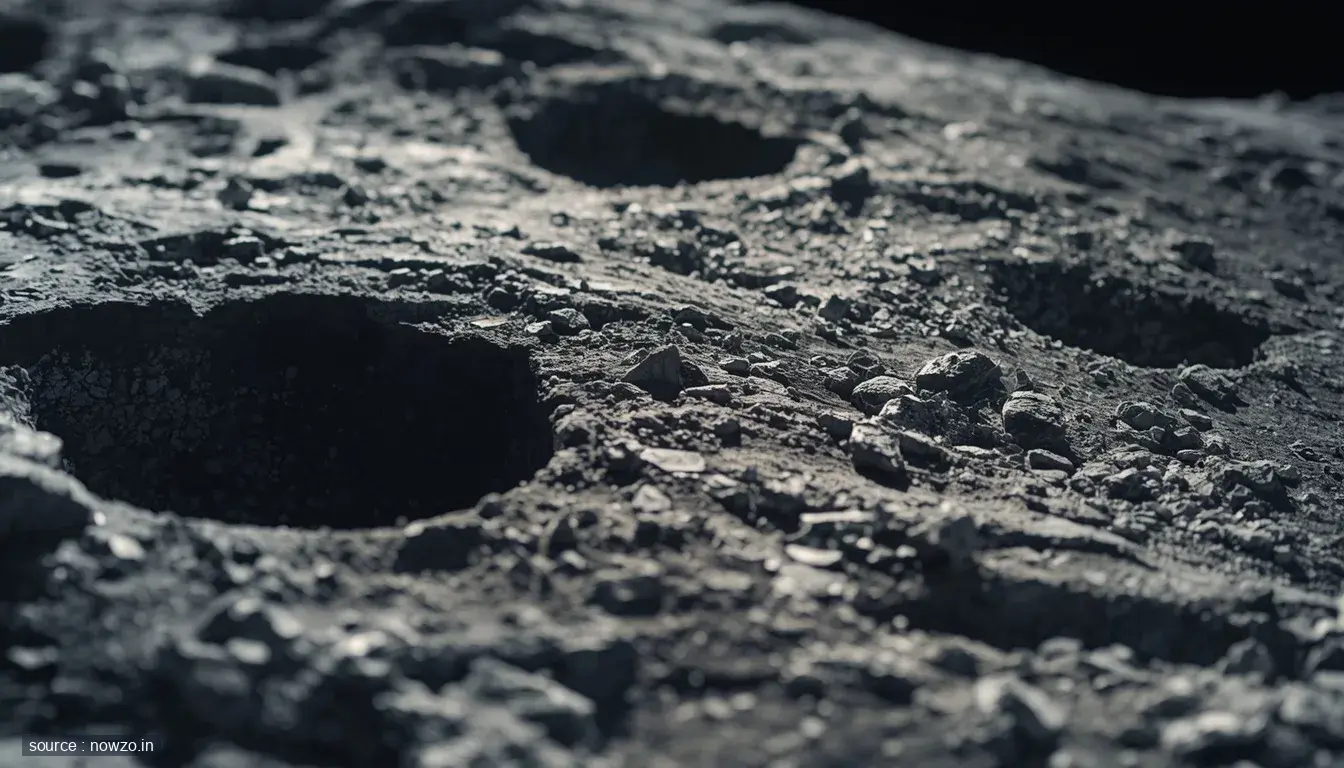
According to studies highlighted by NASA and other scientific outlets, some human-related microbes may be capable of surviving in the permanently shadowed areas of the Moon’s south pole. These regions are known for their extremely cold temperatures and lack of direct sunlight.
Implications for Future Missions
The possibility that microbes can persist on the lunar surface presents a significant challenge for NASA and other space agencies. Contamination could interfere with scientific research and the search for native lunar life or resources.
Contamination Concerns Grow
Experts warn that as more missions target the Moon’s south pole, strict planetary protection protocols will be essential. Preventing the spread of Earth-based microbes is critical to preserving the integrity of lunar science and exploration.
The findings underscore the need for continued research and careful planning as humanity prepares to return to the Moon.





Comments