
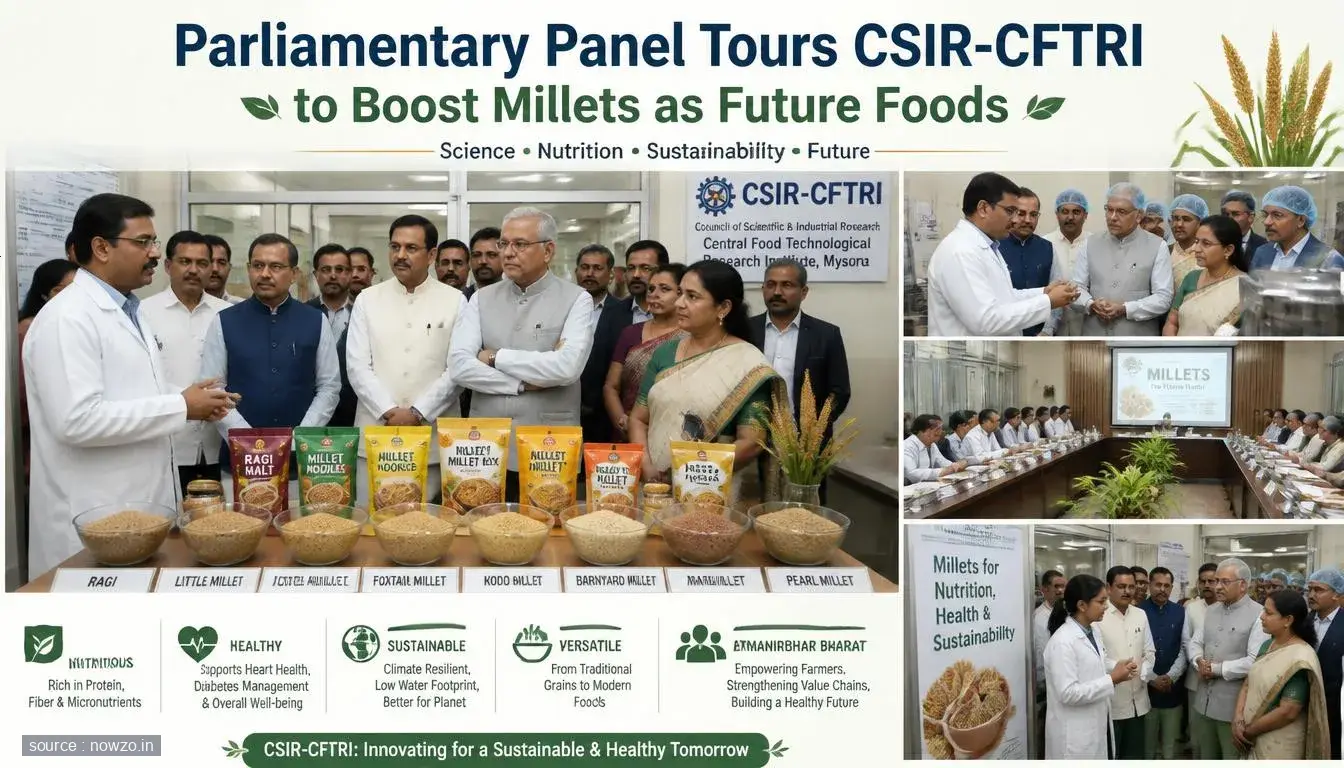
In a significant move to bolster India's nutritional security and agricultural resilience, a parliamentary committee descended upon the CSIR-Central Food Technological Research Institute (CFTRI) in Mysuru this week. Their mission? To take a hard look at the cutting-edge technologies transforming humble millets into tomorrow's superfoods.
Key facts
- Parliamentary committee conducted site visit to CSIR-CFTRI
- Focused review of millet processing and value-addition technologies
- Part of broader push to enhance millet utilization and farmer incomes
Why Millets Matter Now
Once considered forgotten grains, millets are staging a spectacular comeback. These drought-resistant crops require minimal water and offer superior nutritional profiles compared to mainstream cereals. With climate change threatening traditional agriculture, scientists at CFTRI have been working tirelessly to develop processing methods that make millets more palatable, shelf-stable, and accessible to urban consumers.
The Technology Behind the Transformation
CFTRI's labs have pioneered techniques that address millets' traditional limitations—their coarse texture, short shelf life, and lengthy cooking times. Through extrusion, fermentation, and micronization processes, researchers have created millet-based products that retain nutritional value while appealing to modern tastes. The parliamentary panel examined everything from millet-based breakfast cereals to ready-to-cook mixes that could revolutionize how India eats.
Beyond the Laboratory
This isn't just about scientific achievement—it's about real-world impact. Widespread millet adoption could transform livelihoods for dryland farmers while addressing malnutrition in both urban and rural populations. The committee's interest signals government recognition that food security requires both agricultural and technological solutions working in tandem.




Comments