
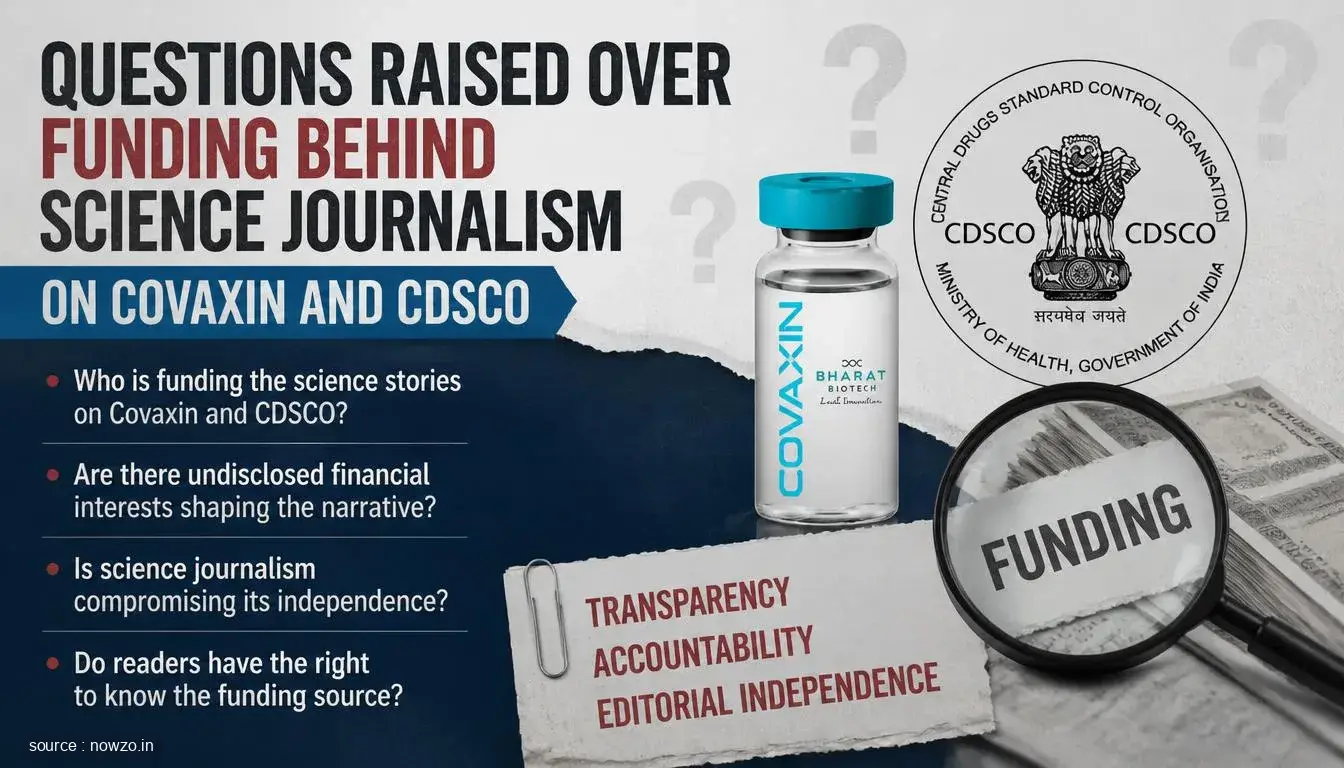
A recent report published by HinduPost has brought attention to the intersection of philanthropic funding and science journalism in India, raising questions about how grants may influence coverage of public health topics, including the Covaxin vaccine and the Central Drugs Standard Control Organisation (CDSCO).
Funding and Editorial Independence
The report examines grants provided by the Thakur Foundation and their connection to journalism covering India's health regulatory landscape. It raises broader questions about whether external funding sources can shape the framing and direction of science reporting, particularly on sensitive topics such as vaccine safety and drug regulation.
Covaxin and CDSCO Coverage
Covaxin, developed domestically in India, has been the subject of significant public and media scrutiny since its rollout. Similarly, the CDSCO, India's national regulatory authority for pharmaceuticals and medical devices, has faced questions from various quarters regarding its approval processes and oversight mechanisms. The HinduPost report suggests that some of this critical coverage may have been influenced by the financial backing behind certain journalism initiatives.
Broader Implications for Science Journalism
The discussion touches on a wider global debate about the sustainability of independent science journalism. As traditional media revenue models have declined, many journalists and outlets have turned to grants and foundation funding to support in-depth reporting. While such funding can enable important investigative work, it also raises legitimate questions about transparency and potential conflicts of interest.
Conclusion
The report underscores the importance of transparency in journalism funding, particularly when coverage involves matters of public health and national regulatory institutions. As audiences increasingly rely on science journalism for critical information, maintaining trust through clear disclosure of funding sources remains a key challenge for the industry.






Comments