
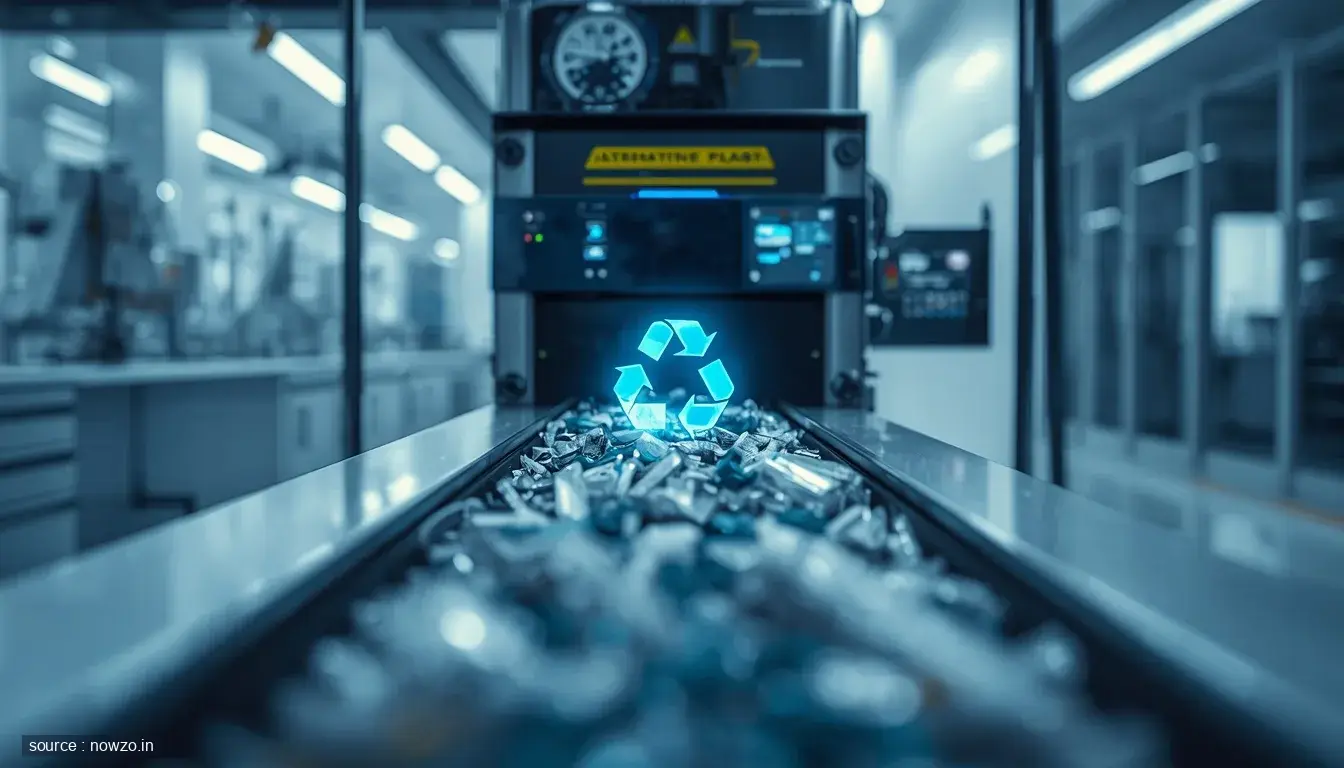
A utility has adopted new technology aimed at recycling contaminated laboratory plastics, according to a report from Envirotec Magazine. The move signals a step toward more sustainable handling of specialised scientific waste that is typically difficult to process through conventional recycling streams.
Key facts
- A utility has adopted technology to recycle contaminated laboratory plastics.
- The development was reported by Envirotec Magazine.
- The initiative targets laboratory plastics, a waste stream that is challenging to recycle due to contamination.
Why laboratory plastics are hard to recycle
Laboratory plastics present a distinct recycling challenge because they are frequently contaminated with chemical or biological residues. This contamination means such materials are often excluded from standard recycling programmes and instead sent for incineration or landfill disposal.
A step toward sustainable waste management
By adopting technology capable of processing these contaminated plastics, the utility is addressing a gap in the recycling chain. The approach reflects a broader push within the waste management sector to find viable solutions for specialist waste streams generated by scientific and research facilities.
What this means for the sector
The adoption of this technology could pave the way for wider efforts to divert laboratory plastics from disposal. As laboratories and utilities seek to reduce their environmental footprint, solutions for contaminated plastic waste are likely to gain increasing attention across the industry.






Comments