
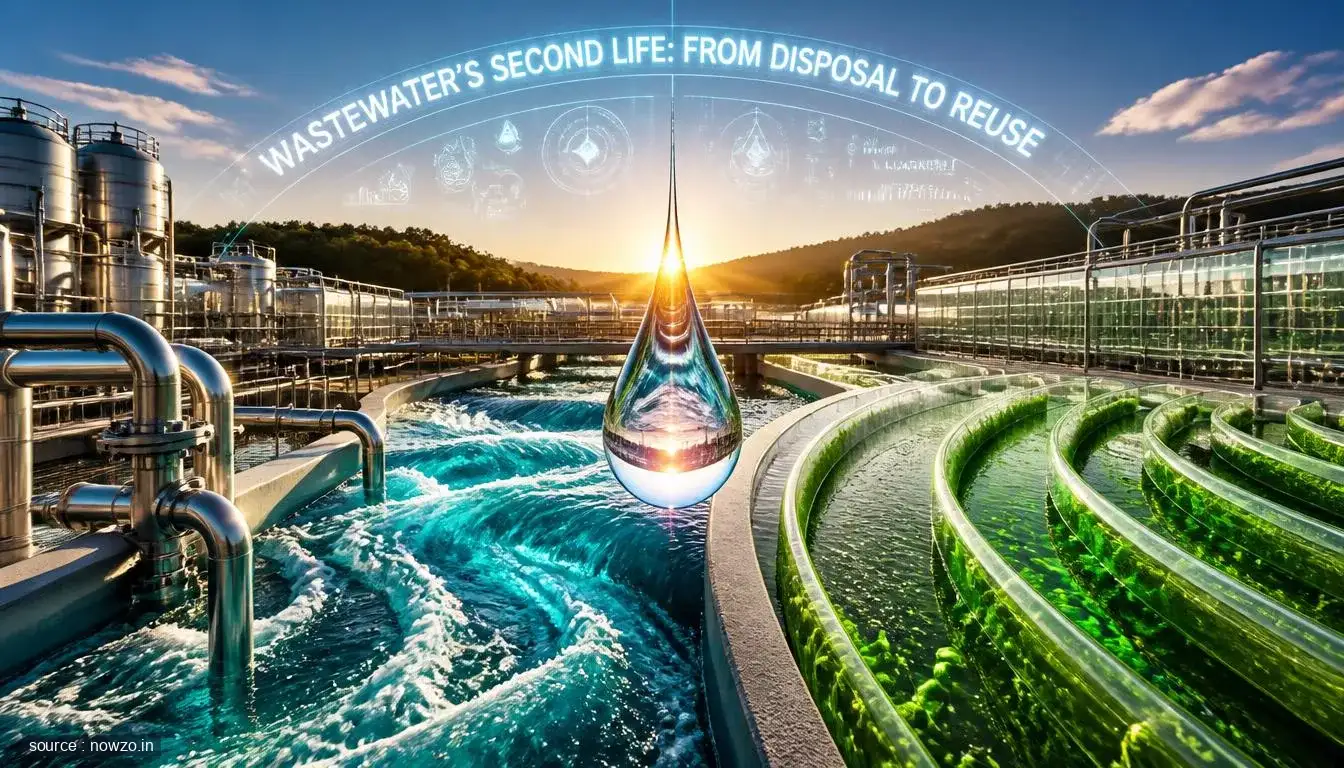
For decades, wastewater meant one thing: something to get rid of. But that mindset is crumbling. A quiet revolution is underway, turning what was once considered waste into a vital resource. The shift from 'disposal' to 'reuse' isn't just a change in terminology—it's a fundamental reimagining of how we value water.
Key Facts
- The global focus is shifting from wastewater disposal to purposeful reuse.
- This approach tackles water scarcity and reduces environmental pollution.
- Reuse applications range from agricultural irrigation to industrial processes.
Why This Matters Now
Water scarcity isn't a future problem—it's happening now. Communities worldwide are watching their reservoirs shrink and their aquifers drain. Meanwhile, climate patterns grow more unpredictable. Reusing treated wastewater offers a buffer against these pressures, providing a reliable water source that doesn't depend on rainfall.
Beyond the Pipe
The applications are surprisingly diverse. Treated wastewater isn't just for flushing toilets anymore. It's nourishing crops in drought-stricken agricultural regions, cooling machinery in water-intensive industries, and even replenishing natural ecosystems. Each gallon reused is a gallon preserved from freshwater sources.
The Ripple Effect
This isn't just about water conservation. By choosing reuse over disposal, we're also reducing the energy footprint of water treatment and minimizing the environmental impact of discharge. It's a classic win-win—addressing scarcity while lightening our ecological load.


Comments