
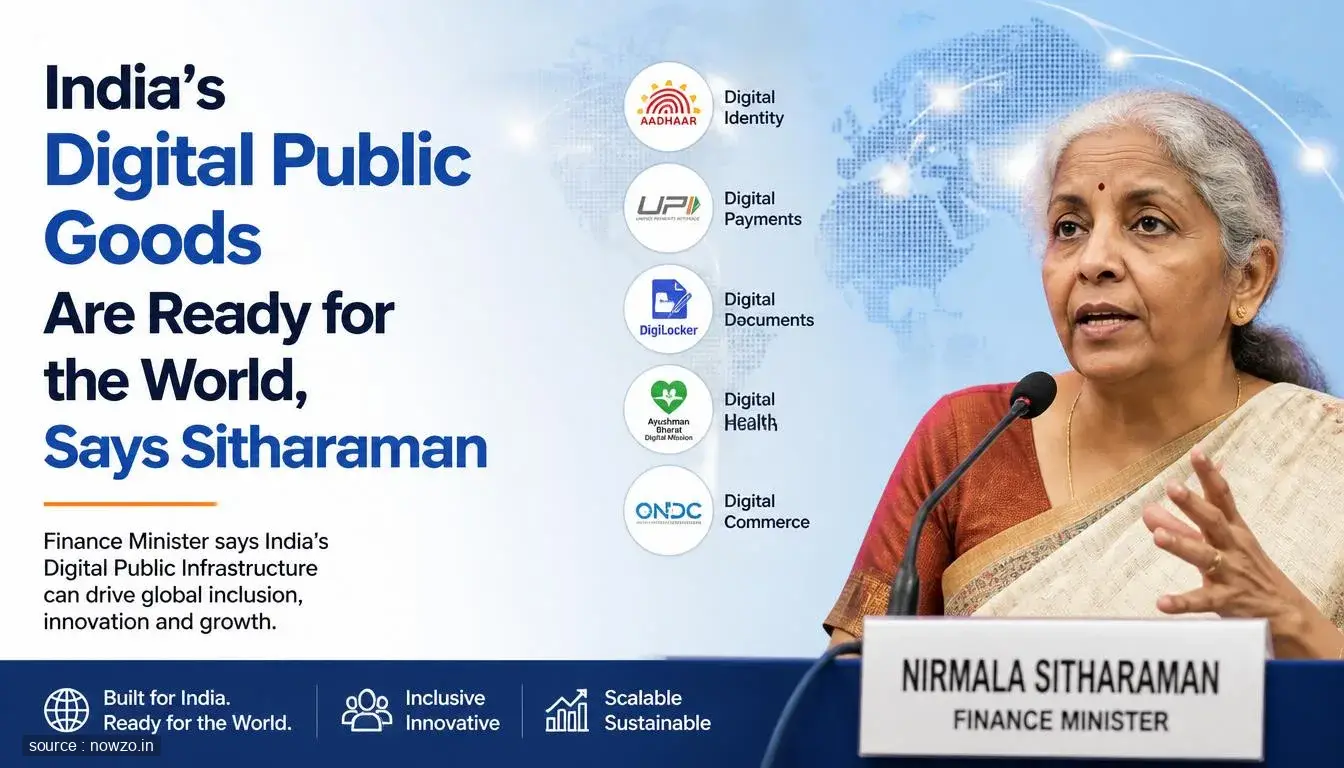
India’s digital public infrastructure isn’t just for Indians anymore. Finance Minister Nirmala Sitharaman is making a compelling case to the world: these homegrown technologies are scalable, secure, and ready to transform economies far beyond India’s borders.
Key facts
- Finance Minister Nirmala Sitharaman promoted India's digital public goods for global use.
- Highlighted initiatives include Aadhaar, UPI, DigiLocker, and ONDC.
- Emphasis was placed on their scalability and potential worldwide impact.
A Global Digital Blueprint
Sitharaman’s vision is clear. She isn’t just celebrating domestic success; she’s offering a toolkit. Aadhaar’s identity verification, UPI’s instant payments, DigiLocker’s document storage, and ONDC’s open commerce network represent more than innovation—they’re proven systems that work at immense scale.
Why These Models Matter
What makes these platforms stand out? They’re built for inclusion. UPI, for instance, has democratized digital payments for millions, from street vendors to large corporations. Aadhaar has streamlined identity and benefit distribution. These aren’t niche solutions; they’re robust frameworks that could help other nations leapfrog legacy systems.
The Road Ahead
The push comes at a time when countries worldwide are grappling with digital transformation. India’s experience—managing billions of transactions and identities—offers a rare blueprint. Sitharaman’s advocacy signals a strategic shift: from implementing these systems at home to exporting them as global public goods.




Comments