
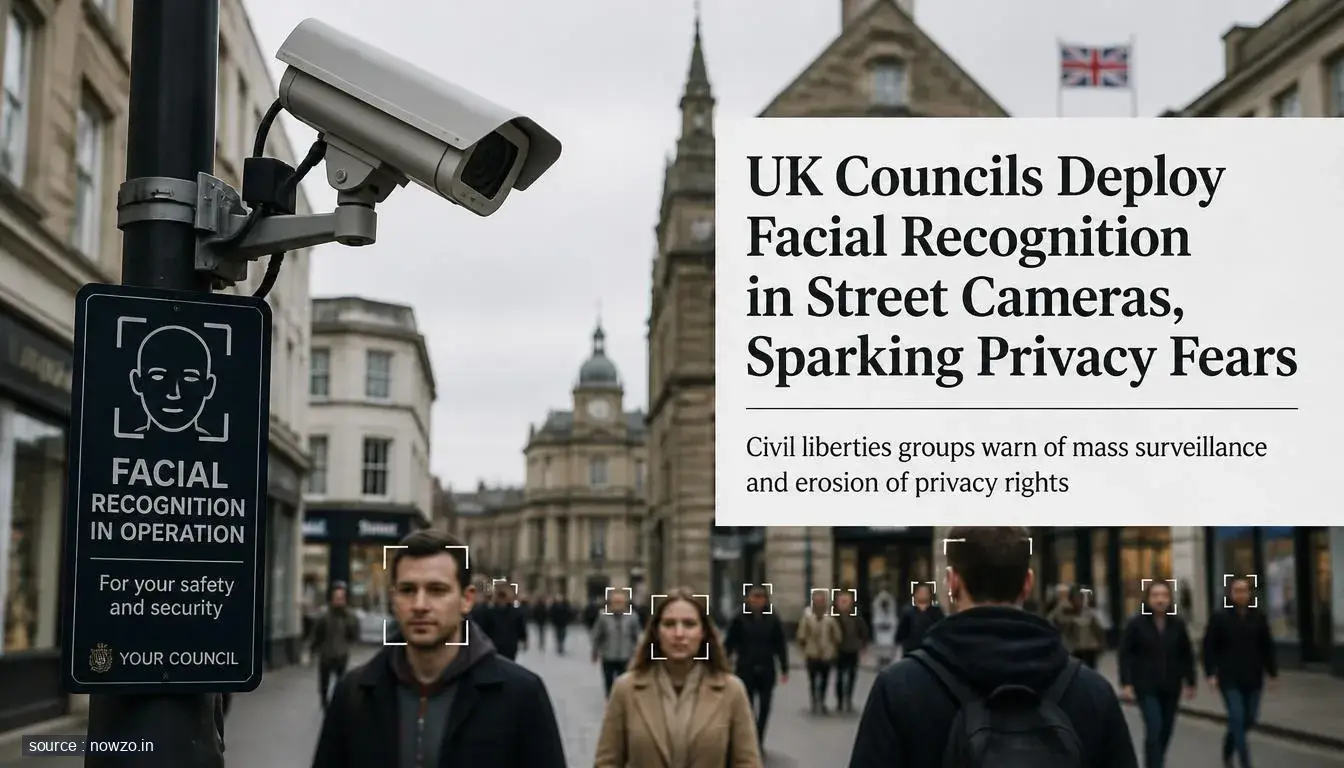
Street cameras across the UK are watching with new eyes—ones that can recognize you in an instant. Councils have quietly integrated live facial recognition (LFR) technology into existing public CCTV systems, scanning the faces of passersby without their knowledge or consent.
Key facts
- Live facial recognition is active in council-operated CCTV cameras.
- Technology scans and matches faces against databases in real time.
- No public consultation or clear legal framework disclosed.
A Silent Shift in Surveillance
This isn’t science fiction. It’s happening now, in town centres and high streets. The cameras—once used for general monitoring—now harness algorithms that identify individuals on the fly. The move represents a dramatic shift in how public spaces are monitored, blending everyday infrastructure with high-tech biometric tracking.
Liberty Sounds the Alarm
Civil liberties group Liberty Investigates brought the practice into the light. Their findings suggest that the rollout has occurred with little transparency, leaving citizens in the dark about when they are being scanned, why, and who has access to that data.
"The public has a right to know when they are being biometrically monitored by the state," a representative emphasized.
The quote hangs heavy—a reminder that in the race toward smarter cities, fundamental questions about privacy and permission are being overlooked.
What Comes Next?
With no significant public debate and limited regulatory guidance, the use of LFR by local governments sits in a ethical grey zone. Concerns are mounting over misuse, bias in algorithms, and the slow creep of permanent surveillance. For now, the cameras keep watching—and recognizing—whether we like it or not.





Comments