
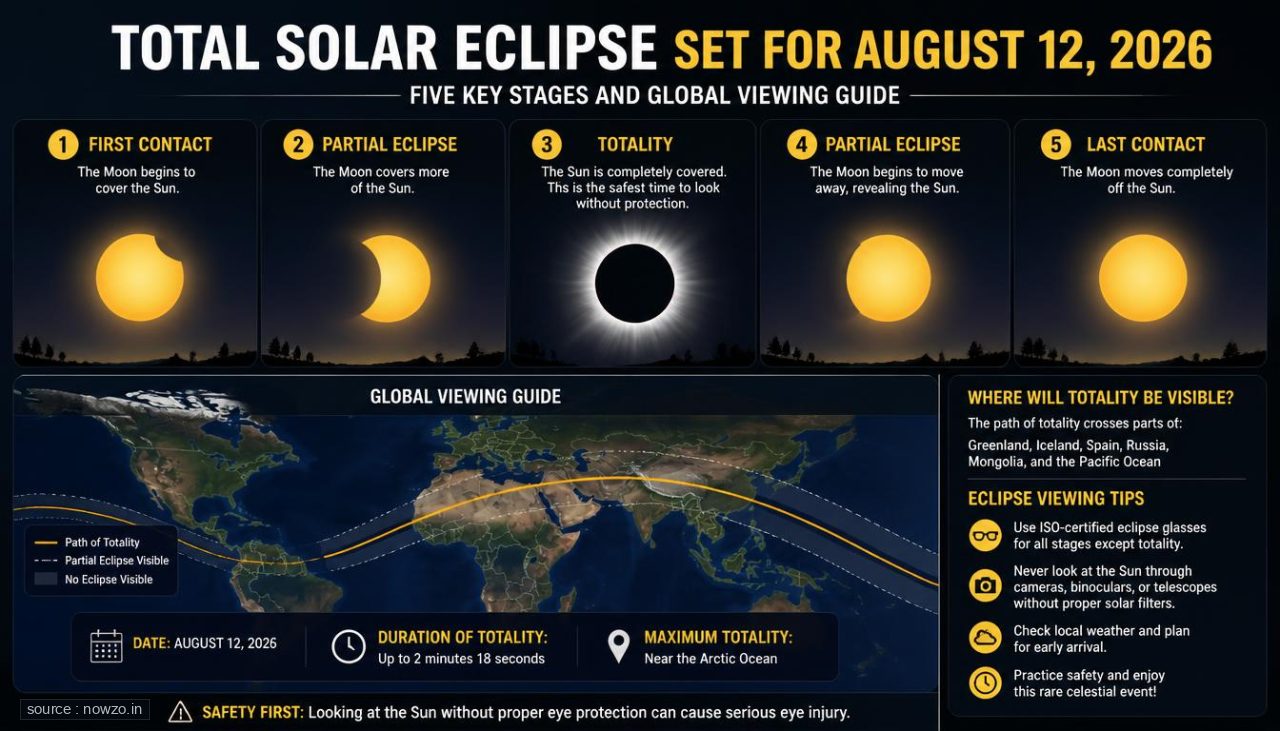
Scientists and space enthusiasts worldwide are turning their attention to the skies as preparations build for the upcoming August 12 total solar eclipse. NASA is launching an ambitious airborne research mission designed to fly into the path of totality and capture scientific observations high above ground level.
Chasing the Shadow High Above the Earth
Operating from aircraft allows researchers to navigate around weather barriers and prolong their time in the darkness created by the moon blocking the sun. Describing the dramatic experience of intercepting the event mid-flight, observers note that "you're hit with a slam of shadow" as totality hits.
Scientists anticipate that data collected during the total solar eclipse on August 12 will reveal groundbreaking insights into solar phenomena that nobody has ever seen before, offering a fresh lens on celestial mechanics.
Global Interest and Online Streaming Options
Eclipse chasing has long been a global passion, drawing dedicated observers around the world to track down paths of totality. For those unable to travel to physical viewing zones, virtual options will ensure wide access. Sky & Telescope and other platforms are providing details on where viewers can stream the event online.
Weather Factors for Europe and North America
Ground-based visibility for the 2026 solar eclipse will depend heavily on meteorological conditions. Meteorologists are monitoring atmospheric trends to determine whether clouds or storm systems might block views across key regions in Europe and the United States.
A Major Astronomical Milestone
As NASA prepares its airborne instrumentation and international observers finalize their travel or streaming plans, anticipation continues to grow. The August 12 eclipse represents a major opportunity to advance solar science and engage millions of skywatchers globally.



Comments